Arrive at London Heathrow airport. To Prince’s (2 1/2 hours)
Play Prince’s
Check in to the Lodge at Prince’s

A trip to the south-east of England gives you a great golf contrast as Surrey’s refined heathland courses meet the raw links of the Kent coast.
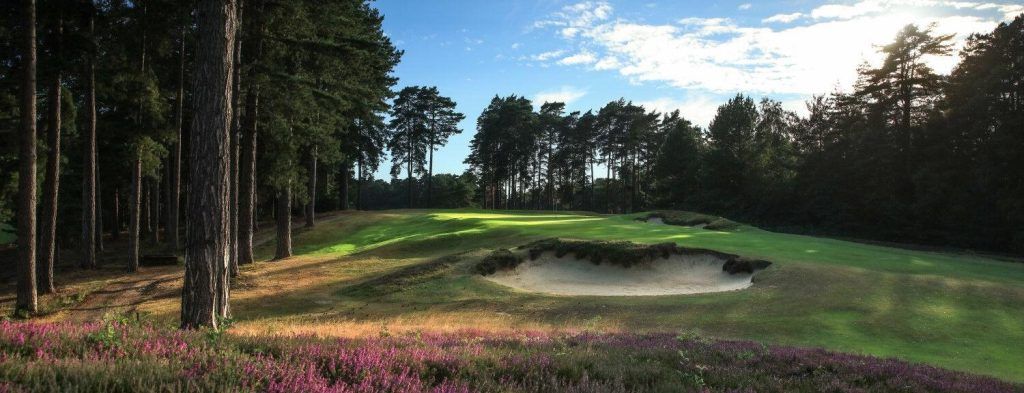
In Surrey, you will discover golden age masterpieces like Sunningdale (Old & New), Walton Heath, Swinley Forest, and Hankley Common – classic heathland layouts with heather galore and pine-lined fairways.
A short drive southeast leads to the Kent coast, home to a trio of Open Championship icons around Sandwich and Deal: Royal St George’s, Prince’s, and Royal Cinque Ports. These links courses are amongst the very finest in the whole of the British Isles and every golfer should visit them once.
There are good accommodation options in Surrey and The Lodge at Prince’s works very well when playing on the coast. This is quite a challenging trip to put together as these are private members’ clubs with limited outside play. However we know the area very well and would be delighted to organise this very special trip for you.
Arrive at London Heathrow airport. To Prince’s (2 1/2 hours)
Play Prince’s
Check in to the Lodge at Prince’s
To Royal Cinque Ports (15 minutes)
Play Royal Cinque Ports
Return to Prince’s
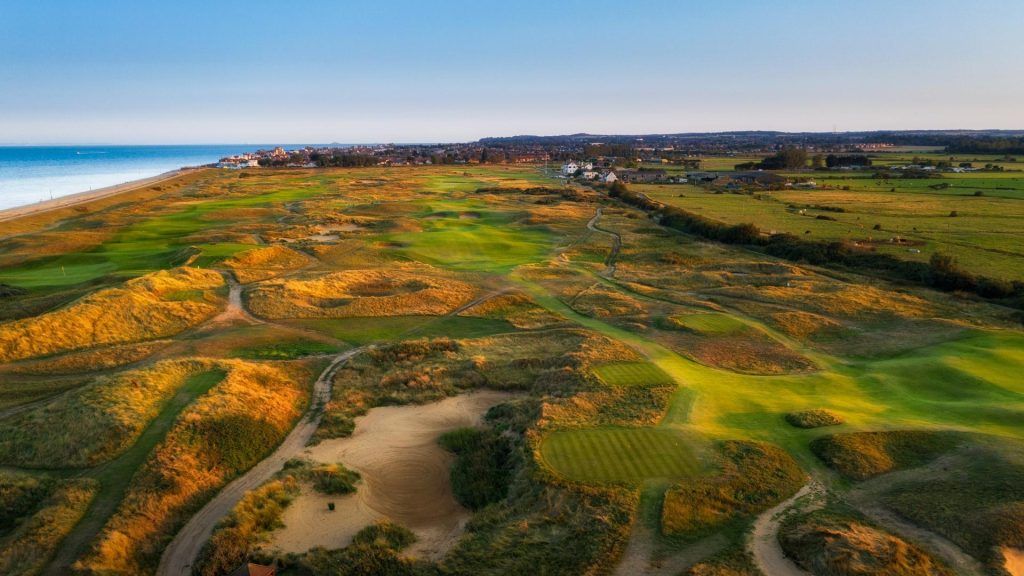
To Royal St George’s (10 minutes)
Play Royal St George’s – optional formal lunch in dining room
To Windsor (2 hours).
Check in at Macdonald Windsor Hotel

To Walton Heath (45 minutes)
Play Walton Heath Old
To hotel
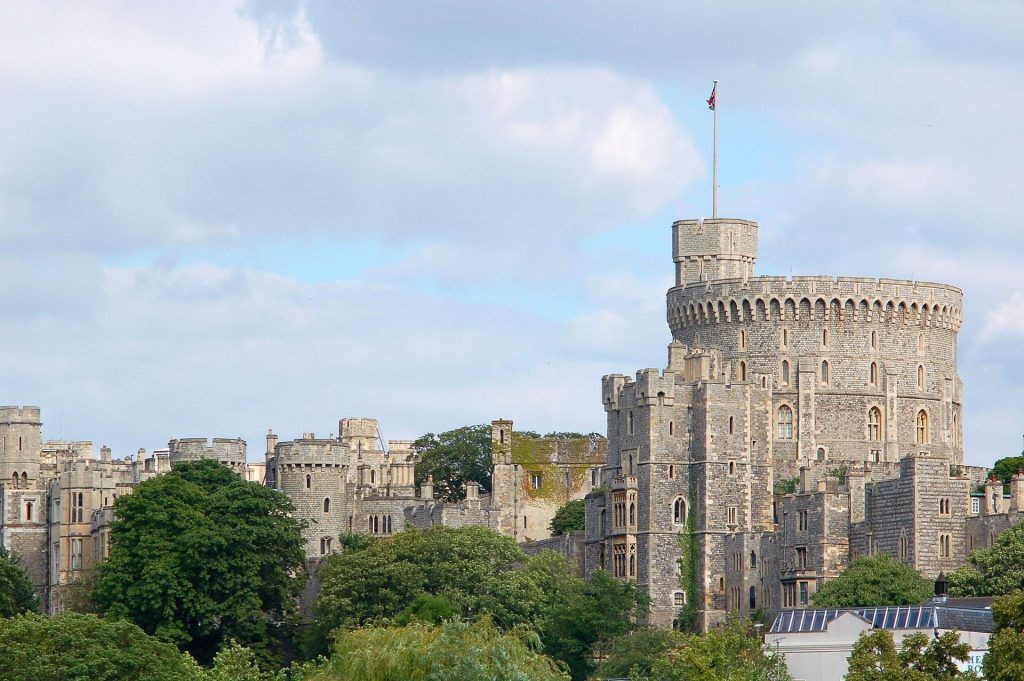
Optional visit to Windsor Castle
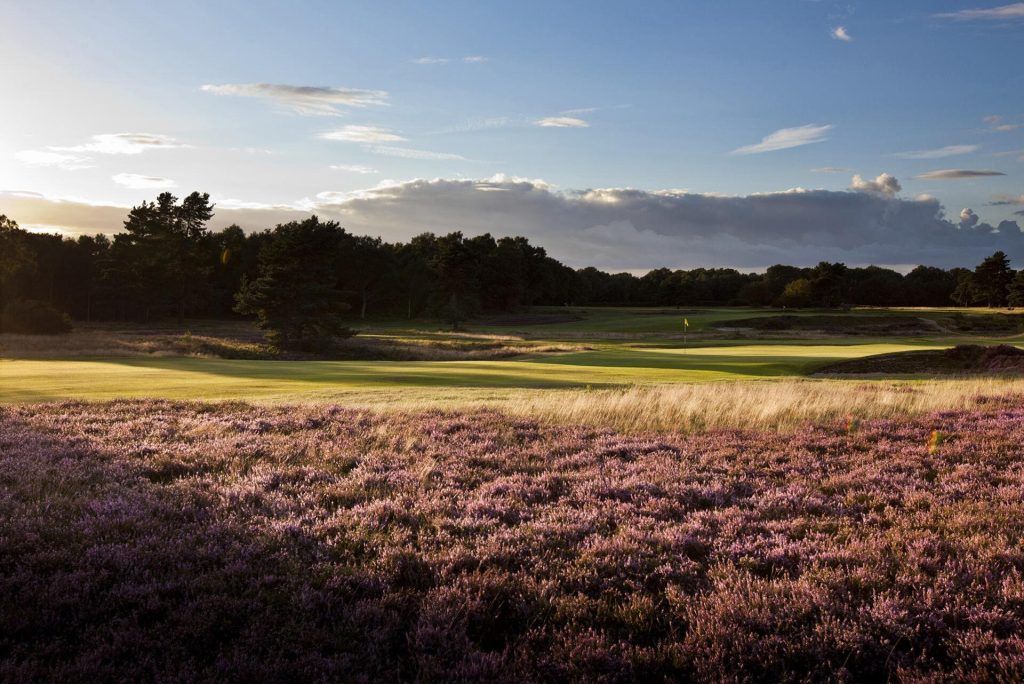
To Sunningdale (20 minutes)
Play Sunningdale Old
Return to hotel
Optional evening in the West End, London
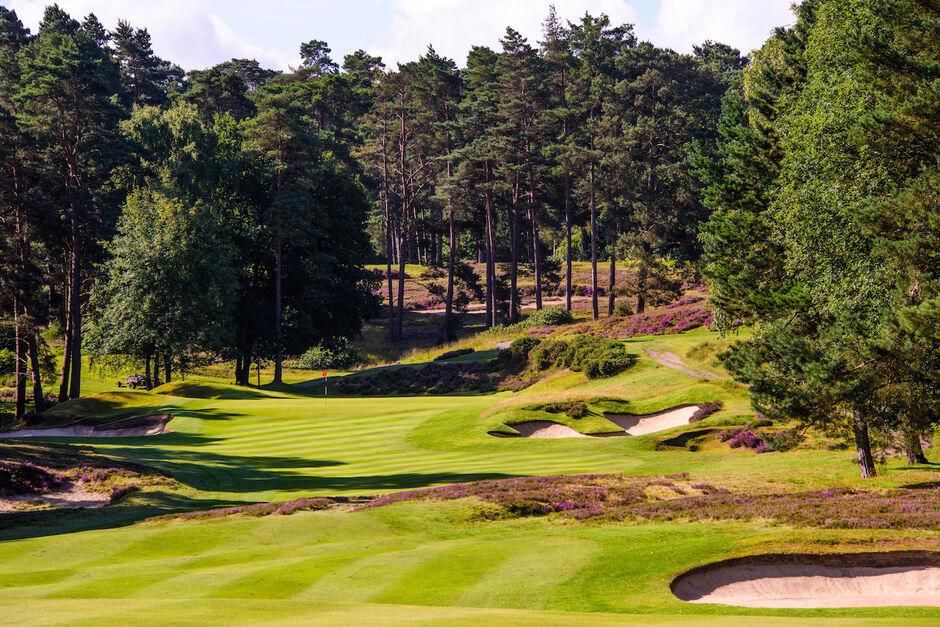
To Swinley Forest (20 minutes)
Play Swinley
Return to hotel
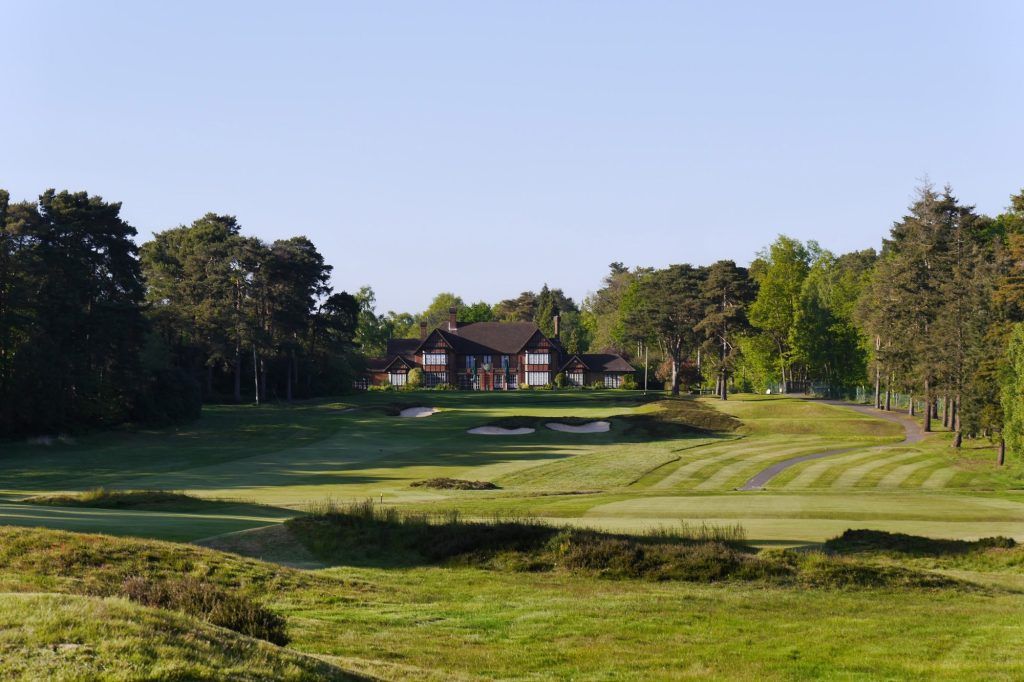
To The Berkshire (45 minutes)
Play The Berkshire Red or Blue
To hotel
To airport (20 minutes)
Depart


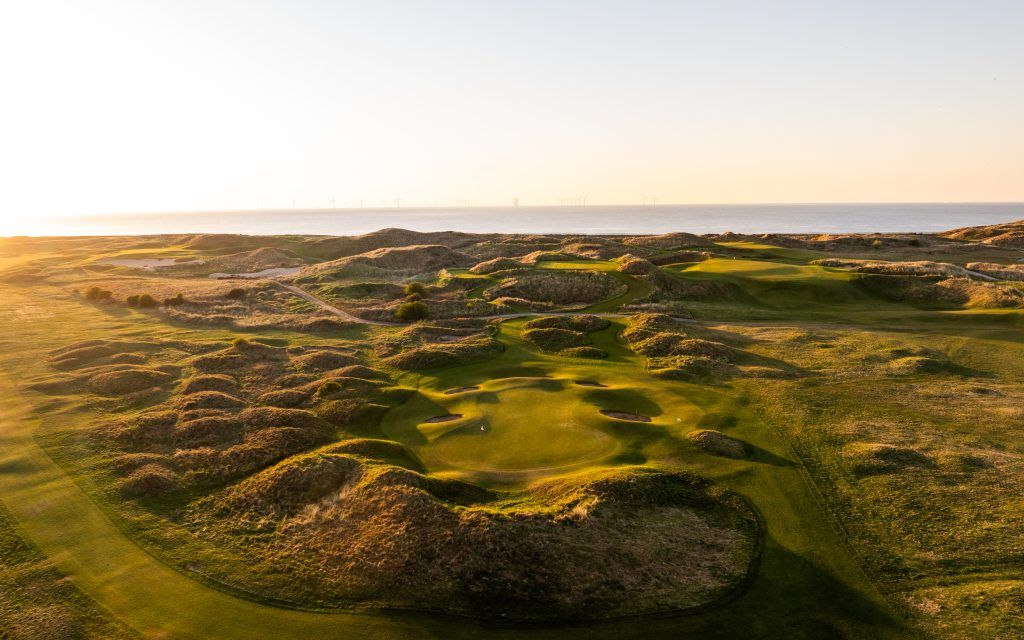
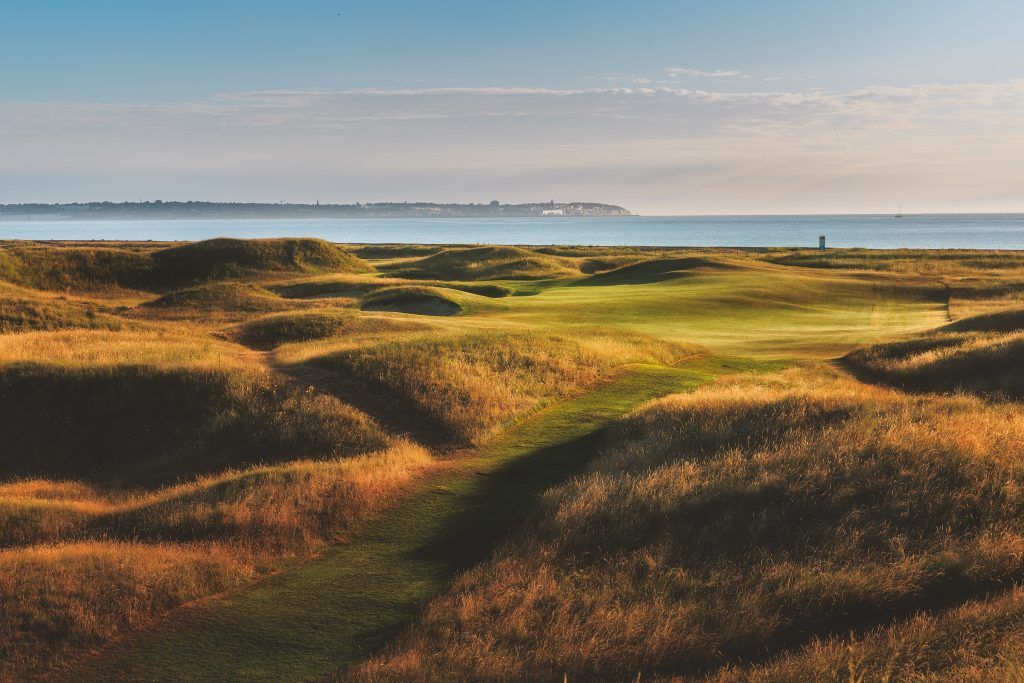
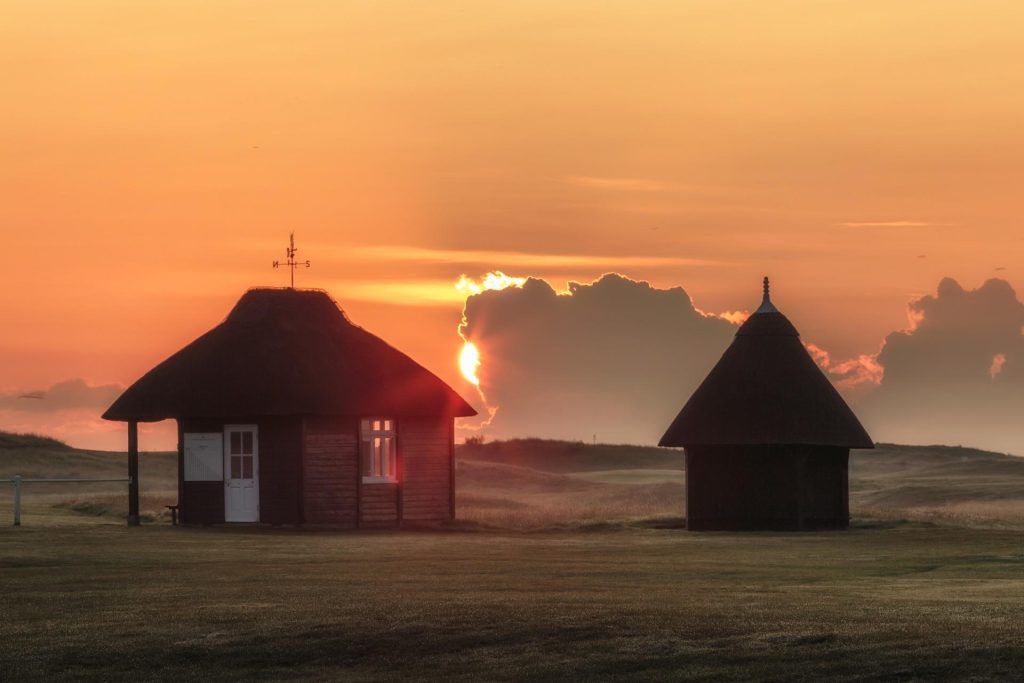
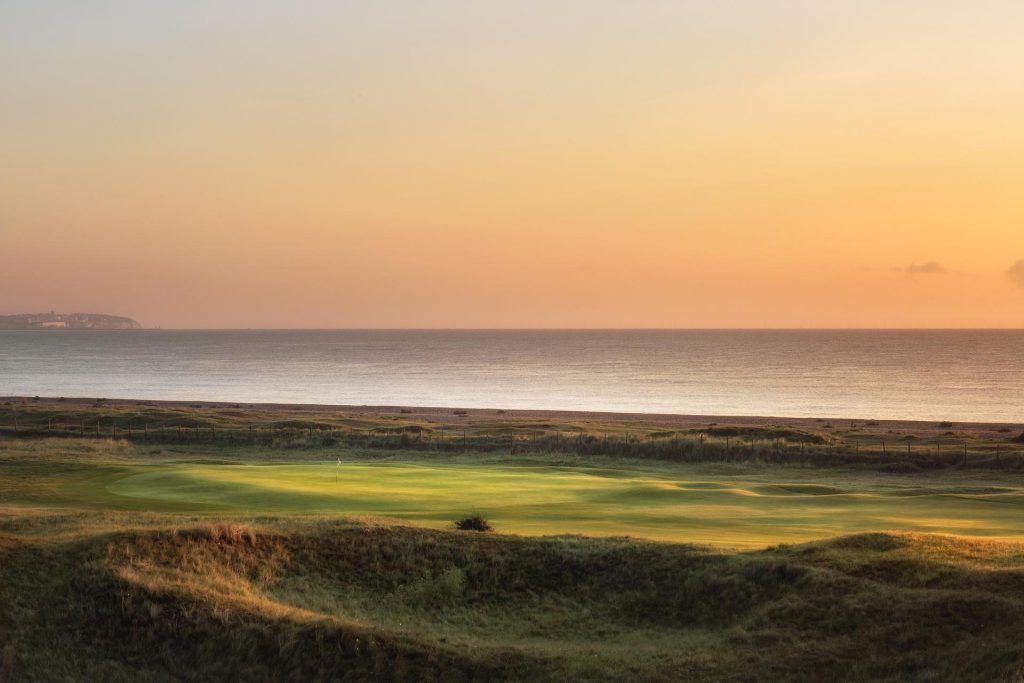
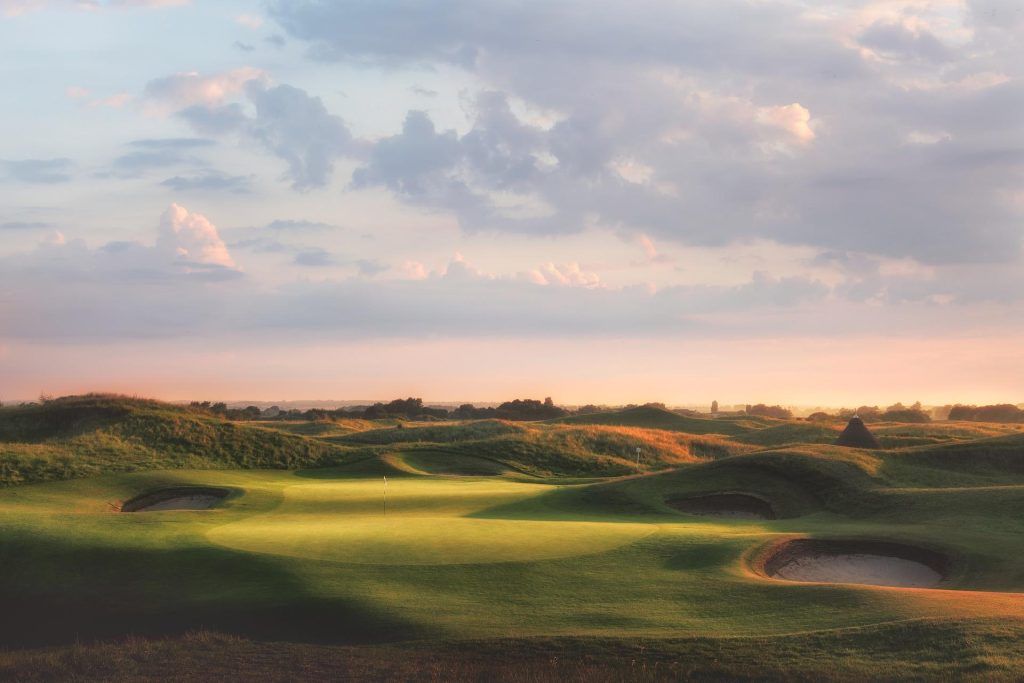
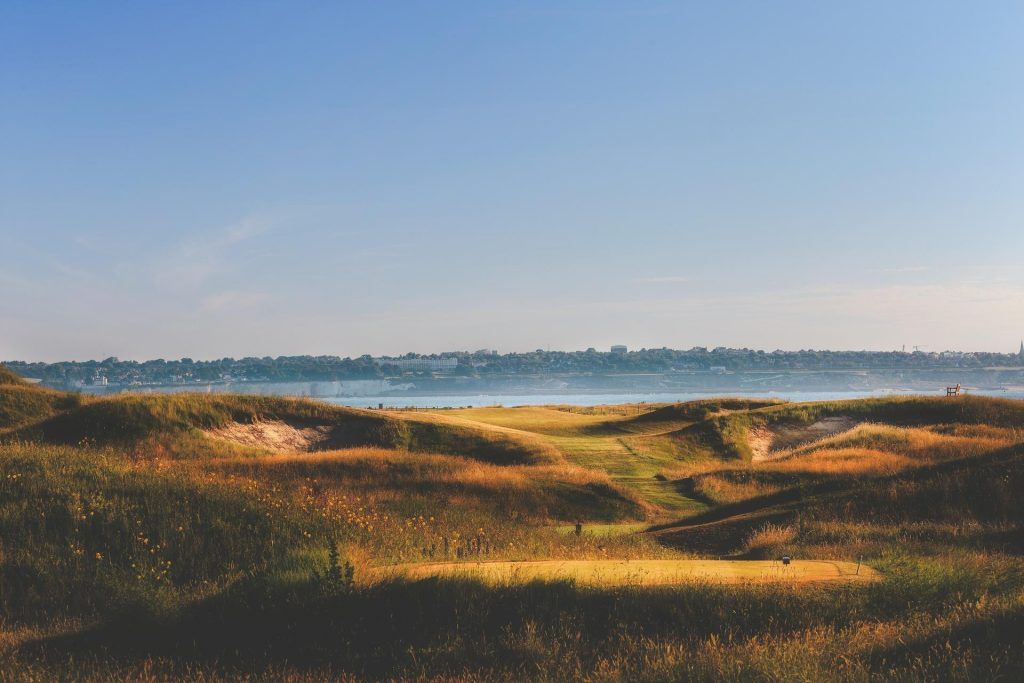
Prince’s Golf Club is a storied links set along the windswept Kent coast, offering golf that feels deeply rooted in history while remaining thoughtfully modern. Established in the early 1900s, it is arranged across three distinctive nine hole loops, Shore, Dunes and Himalayas, each with its own rhythm and character. The Shore Course is particularly revered, having hosted the 1932 Open Championship where Gene Sarazen claimed victory.
Recent renovations by MacKenzie and Ebert have elevated the course once again. Rolling dunes, firm turf, fast fairways and subtly contoured greens reward strategy and imagination. Combined with warm hospitality and an easygoing coastal atmosphere, Prince’s is one of the south of England’s most enjoyable golfing destinations.
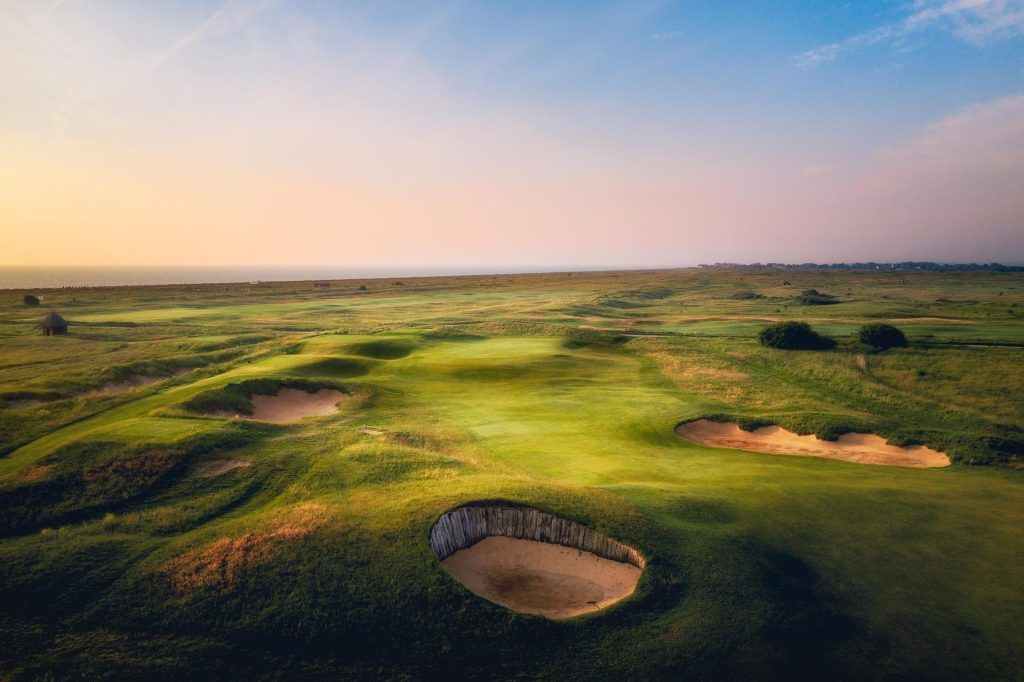
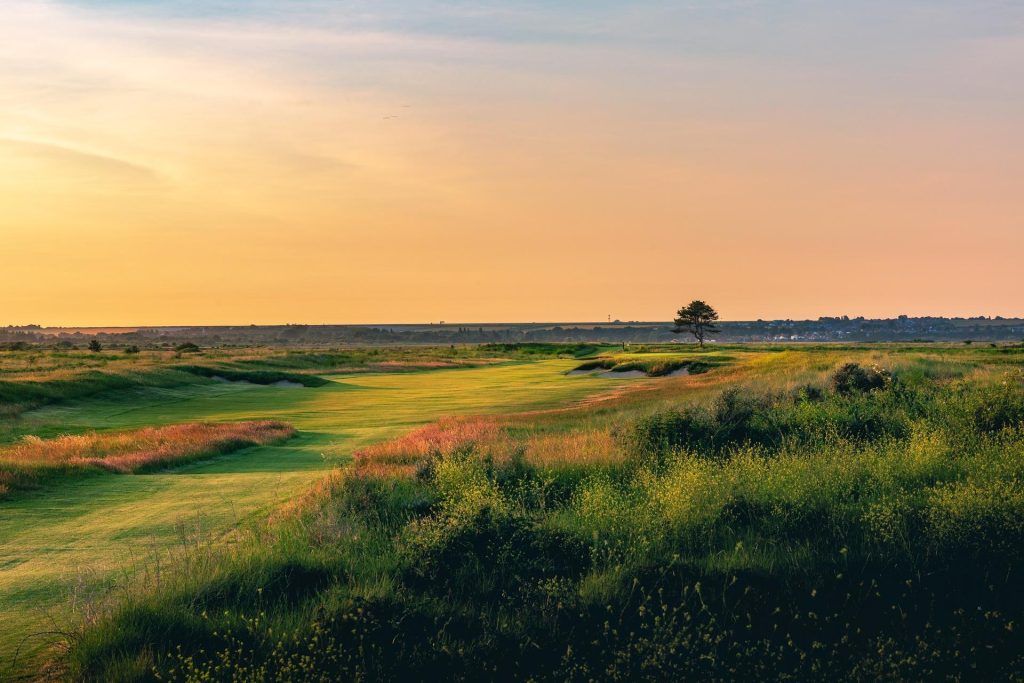

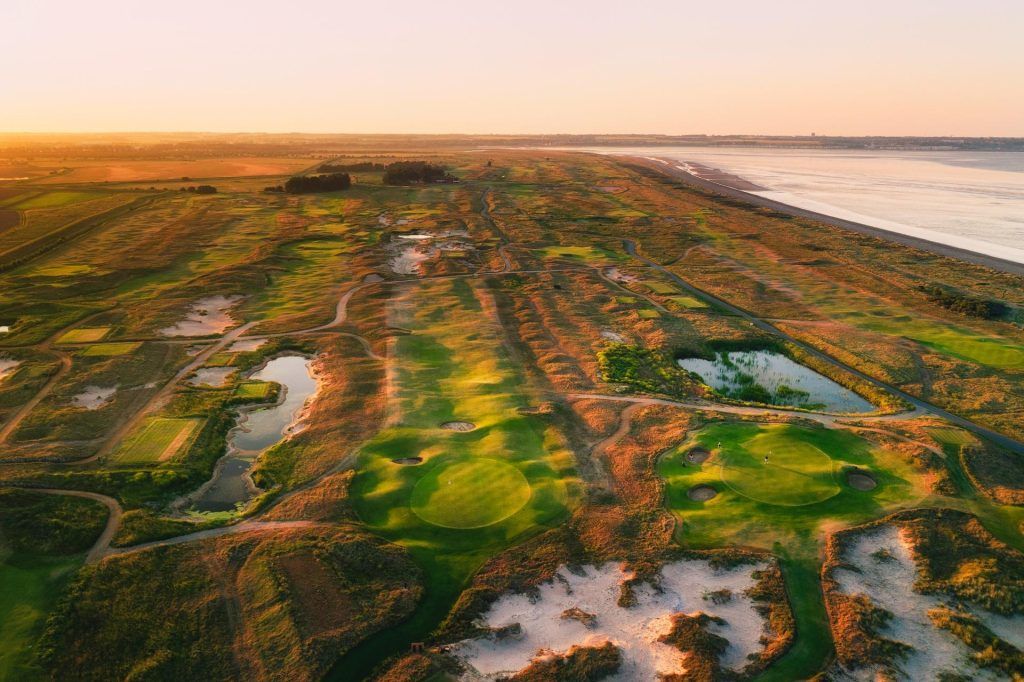
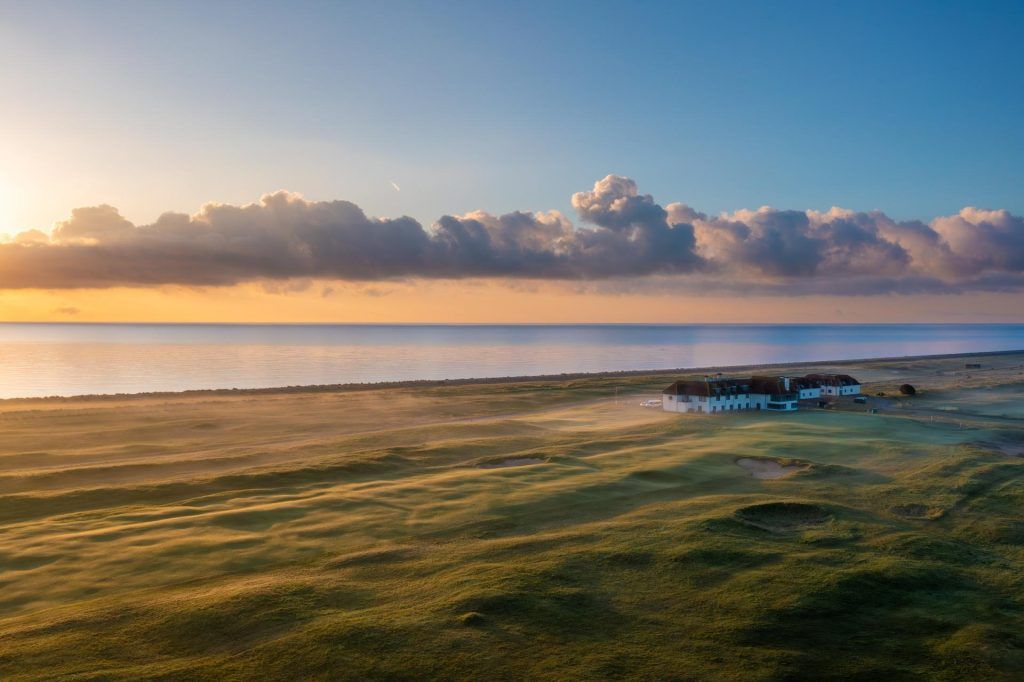
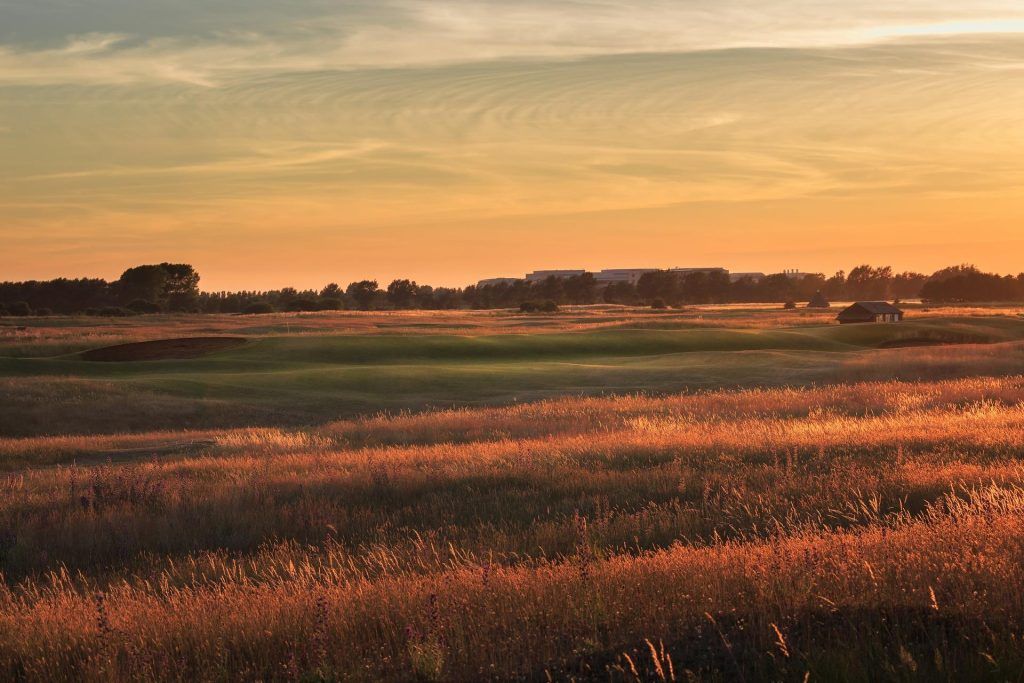
Royal Cinque Ports, widely known as Deal, is one of England’s most authentic and demanding championship links. Host of the 1909 and 1920 Open Championships, this classic out and back layout runs hard along Sandwich Bay and is revered for its superb green sites and naturally rolling terrain. Firm, fast turf encourages imaginative shot making, with the wind a constant and influential companion.
The back nine, turning into the prevailing breeze, provides a stern and memorable finish that tests judgement as much as execution. Purposeful bunkering, beautifully shaped greens and a layout that feels entirely of its landscape combine to create a round where every bounce matters. Deal captures the pure spirit of traditional seaside golf.
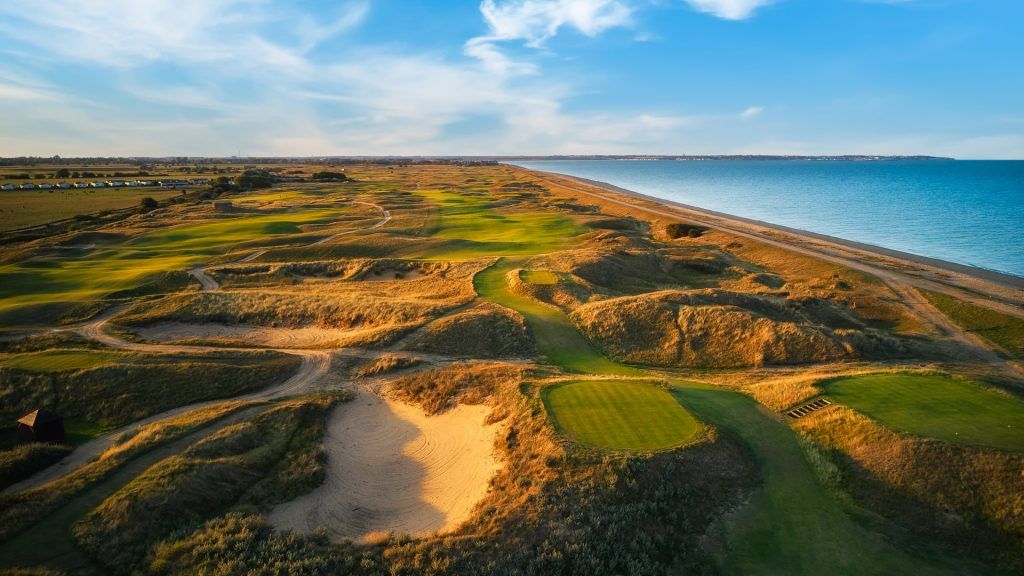
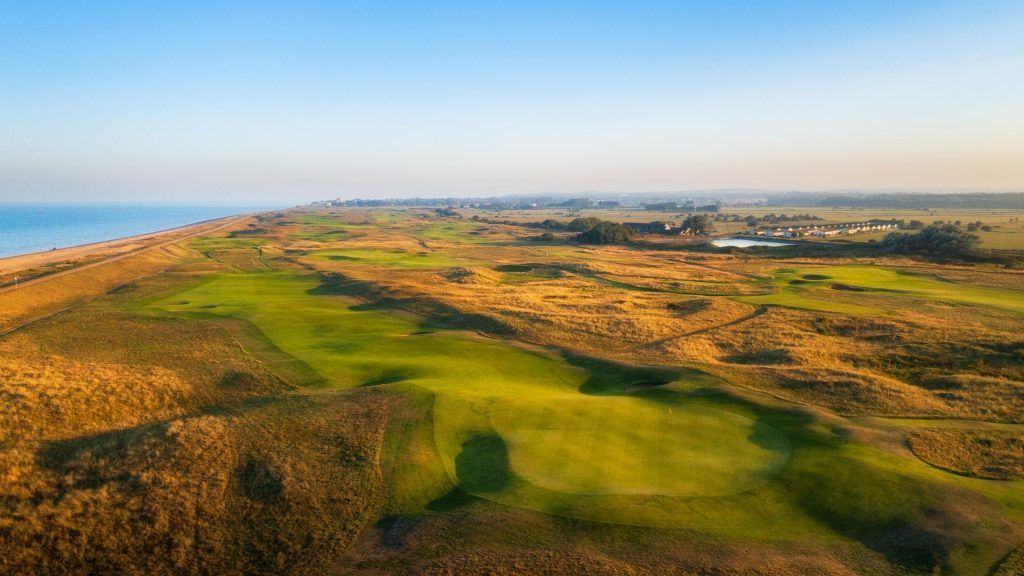
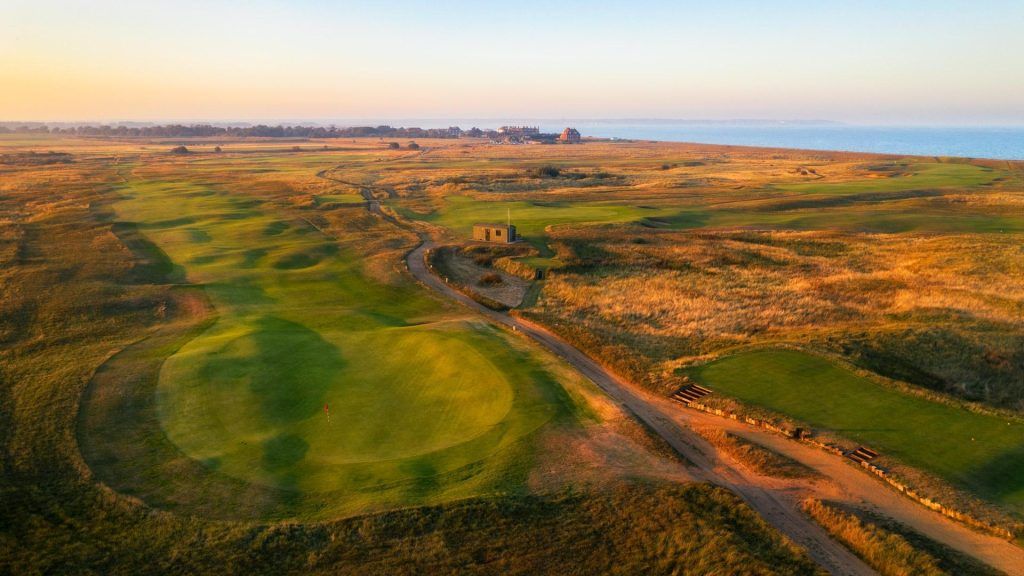
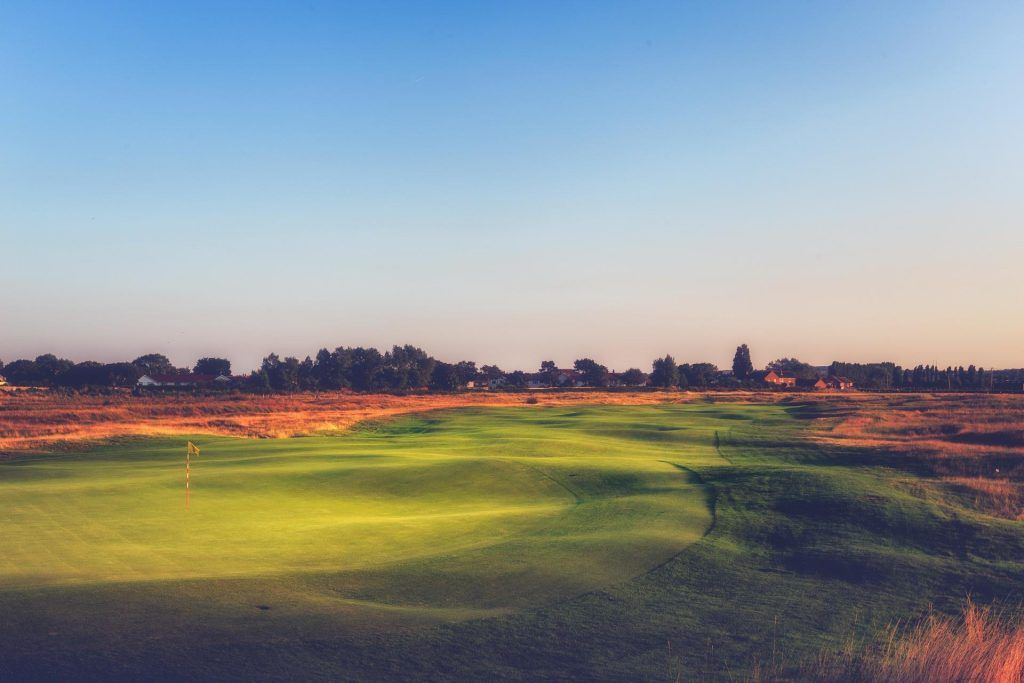
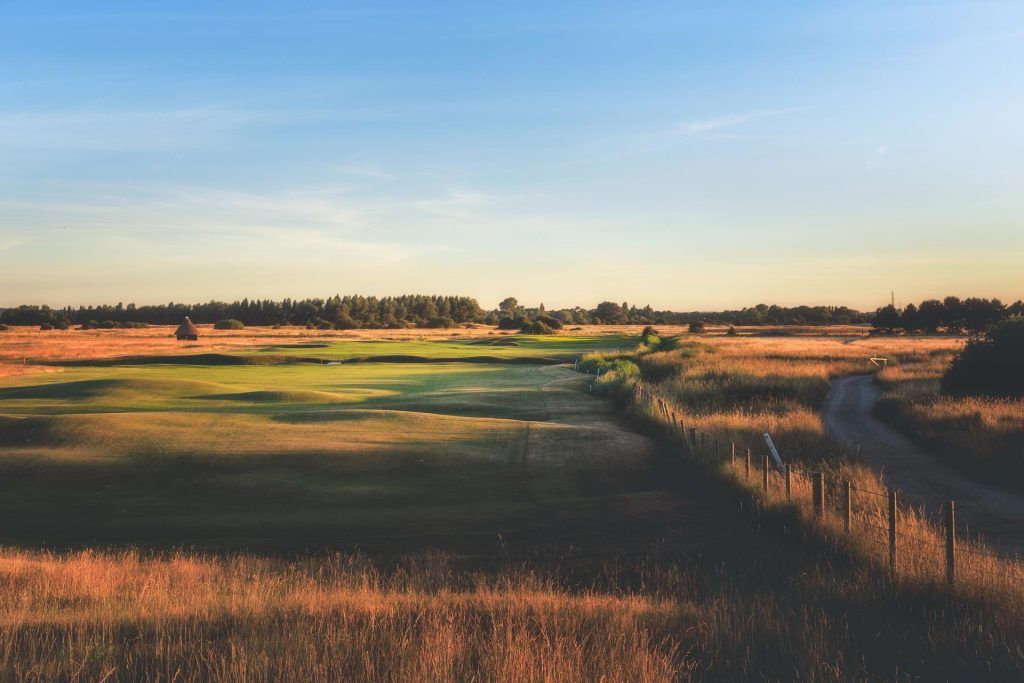
Royal St George’s is one of the most characterful and demanding links on the Open rota, delivering a round that is as thrilling as it is exacting. Known locally as Sandwich, the course winds through towering dunes with blind shots, deep bunkers and constantly changing hole directions that test judgement and nerve.
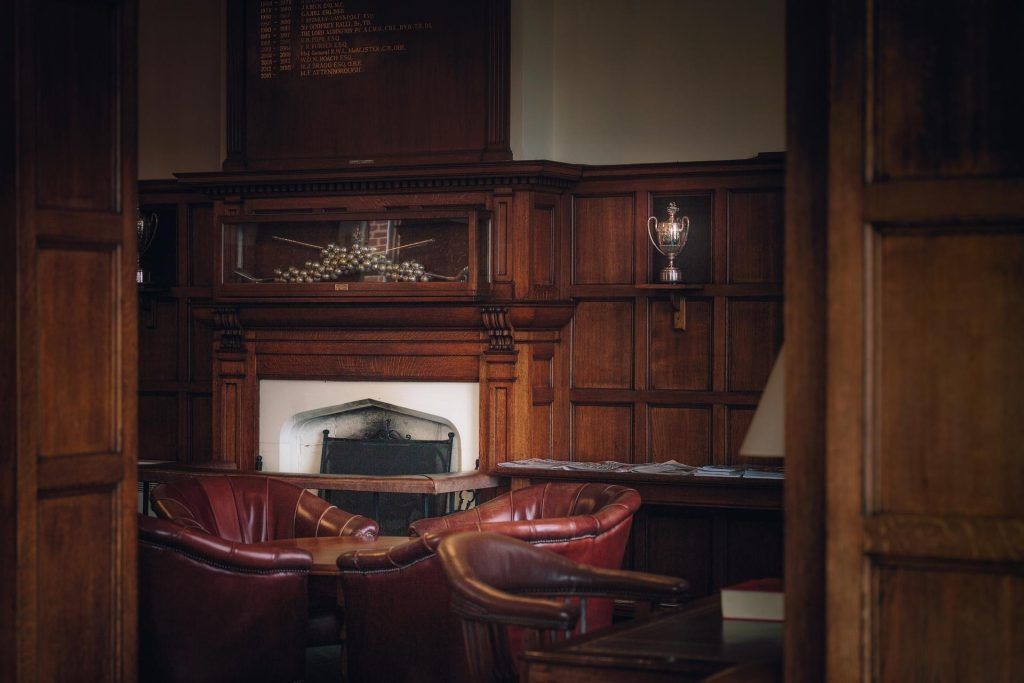
Its lively bounces and apparent quirks are not flaws but the very essence of its charm, rewarding bold decision making and imagination. Iconic moments linger throughout the round, from the vast bunker on the fourth to the dramatic par three seventeenth, forever tied to Thomas Bjørn’s 2003 Open heartbreak. Warm hospitality and a richly traditional clubhouse complete the experience at one of England’s truly great courses.

Designed in 1912 by Harry Colt and opened in 1913, St George’s Hill is widely regarded as a standout example of Golden Age golf architecture.
The layout is made up of three distinctive loops of nine holes – Red, Blue and Green -each flowing through undulating terrain of heather, pine and silver birch and making strong use of the natural contours of the land. The Red and Blue nines combine to form the main championship eighteen, with the shorter Green nine providing variety and challenge of its own. The fairways are generous but strategically shaped, with well-placed bunkers and subtly contoured greens that reward thoughtful course management as much as length.
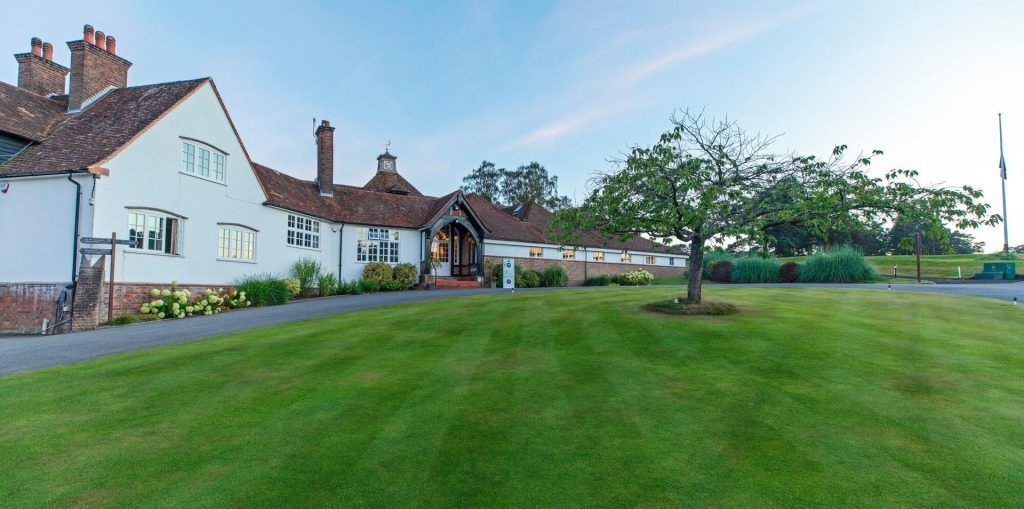
The red brick clubhouse sits prominently on elevated ground, offering panoramic views over the opening and closing holes, and the setting reflects the unique character of the private estate in which it sits.
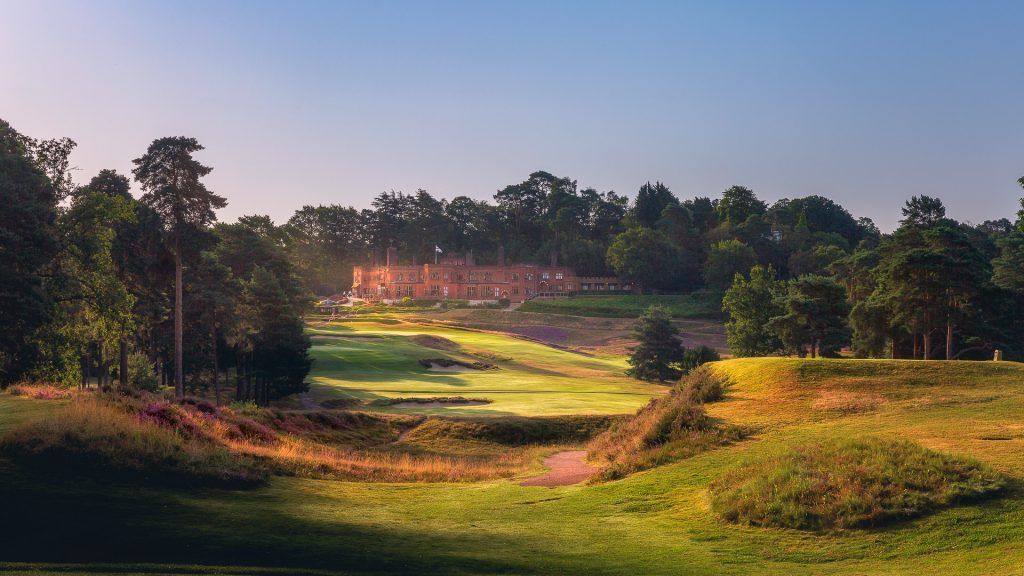
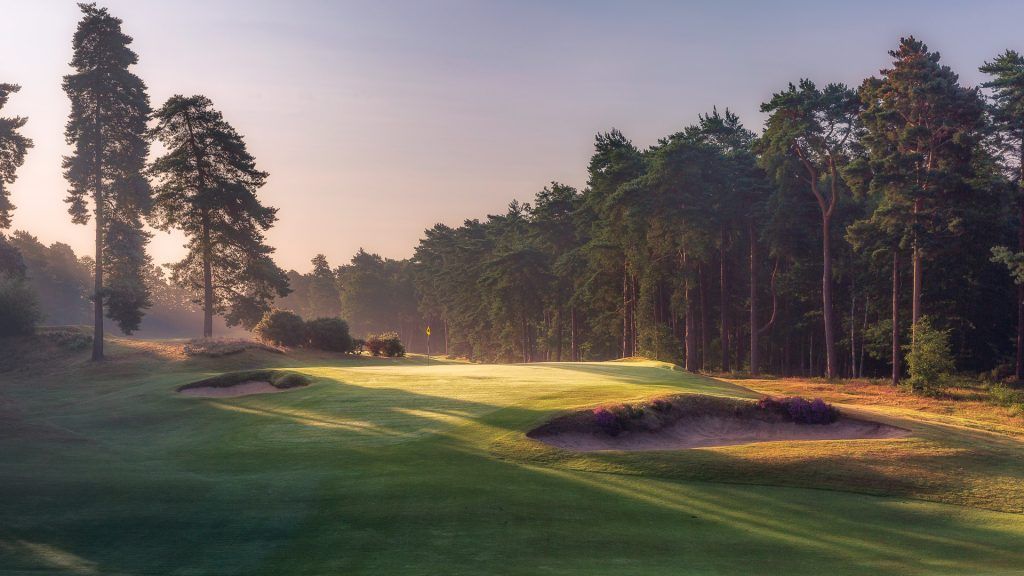
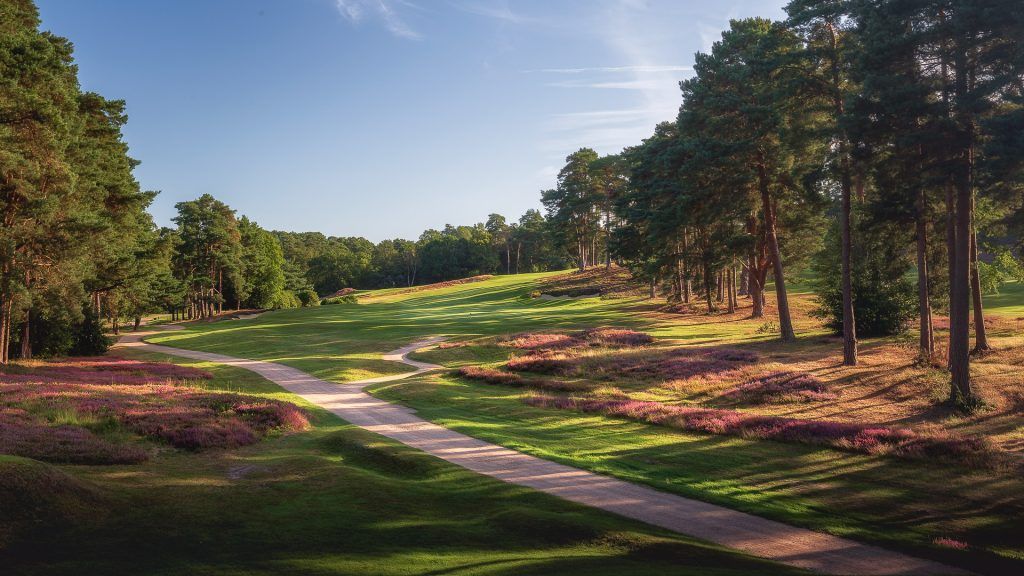
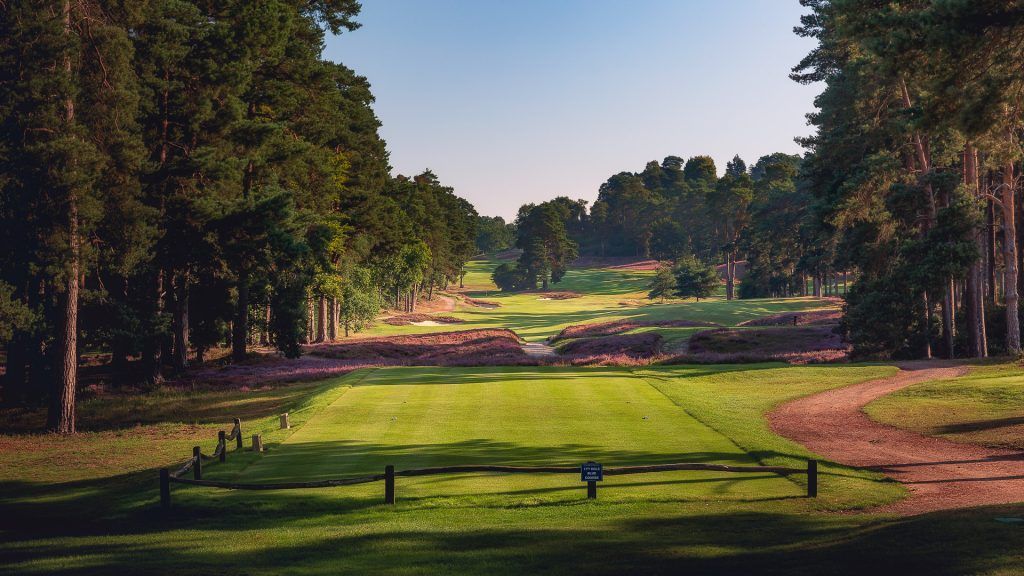
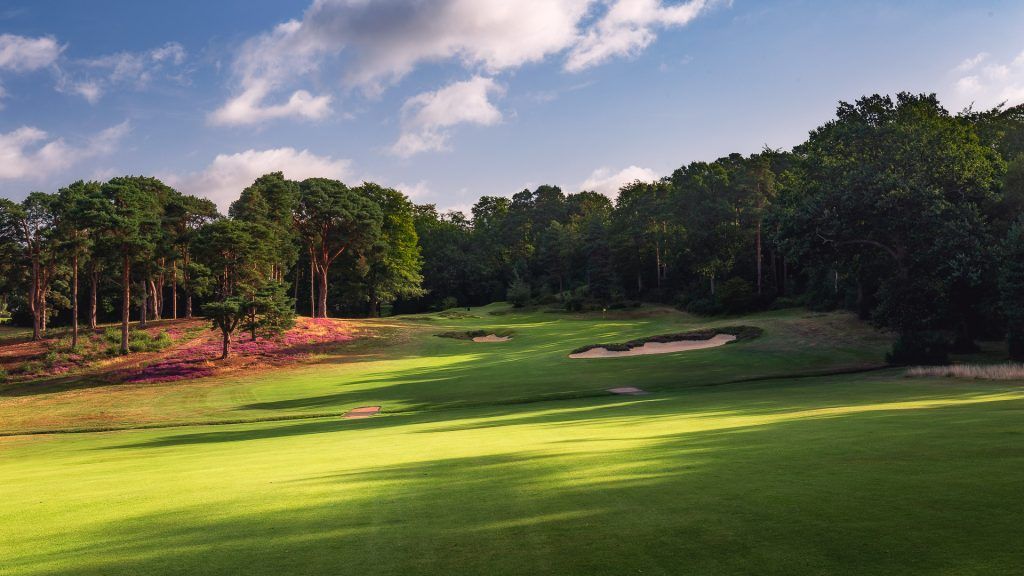
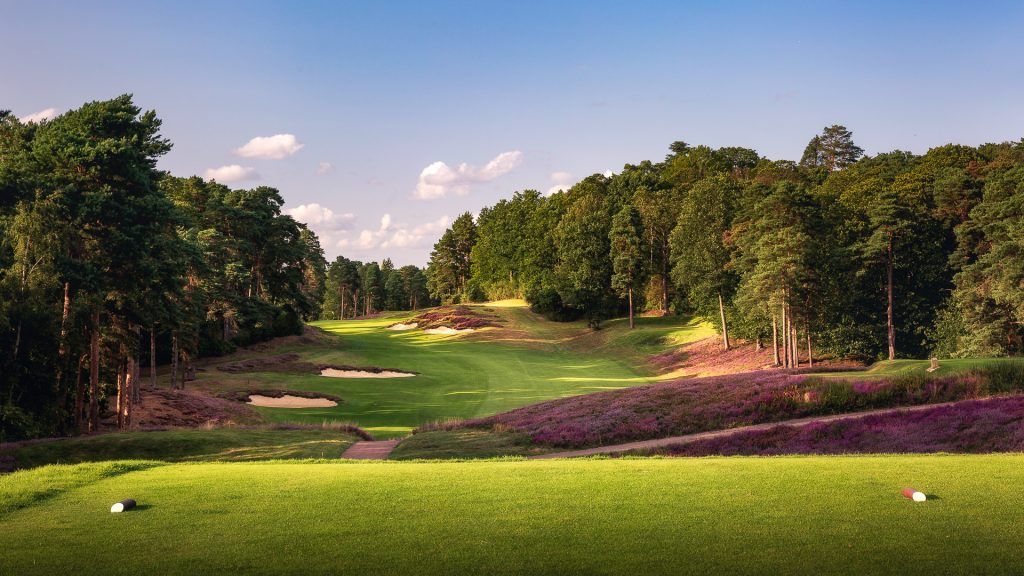
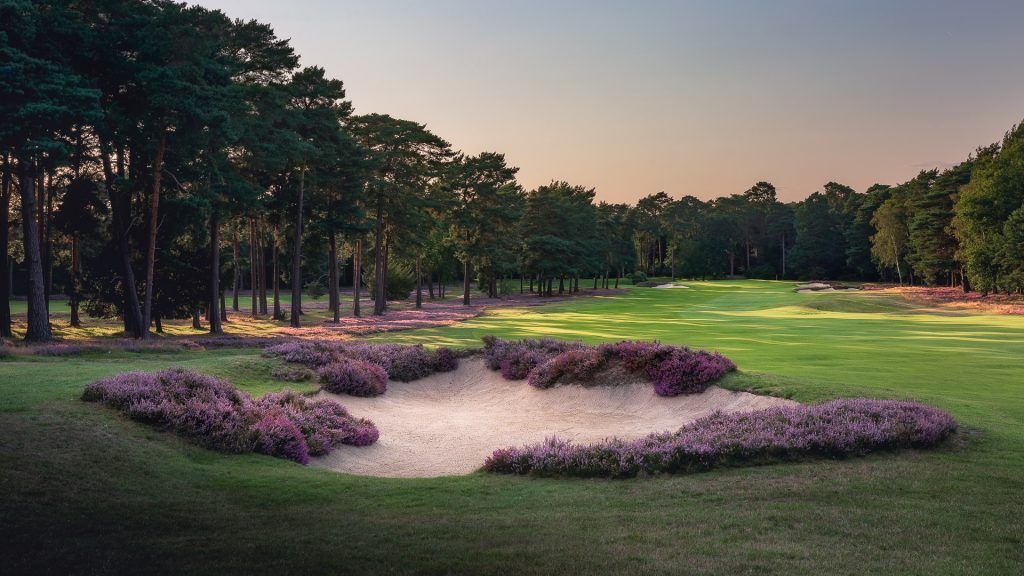
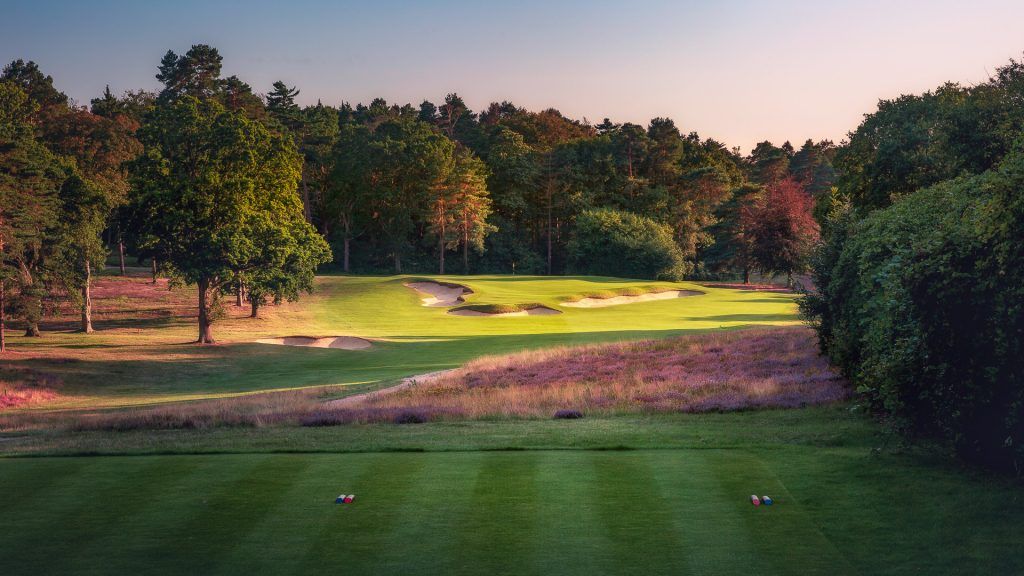
Sunningdale’s New Course is one of the great inland layouts in golf. Designed by Harry Colt in 1923, it blends strategy, beauty, and challenge in a way few courses can match.
The course unfolds across expansive heathland, framed by pines, birch, and sweeping stretches of heather. It offers a wonderful sense of openness, with views across the Berkshire countryside and a natural rhythm that makes every hole memorable.
Sunningdale New asks you to pick your lines with care, commit to carries over heather, and trust a few semi-blind tee shots. Cross bunkering and angled fairways keep you honest, while the five par threes each test a different yardage and trajectory.
Sunningdale may just deliver the finest 36 holes in the world!
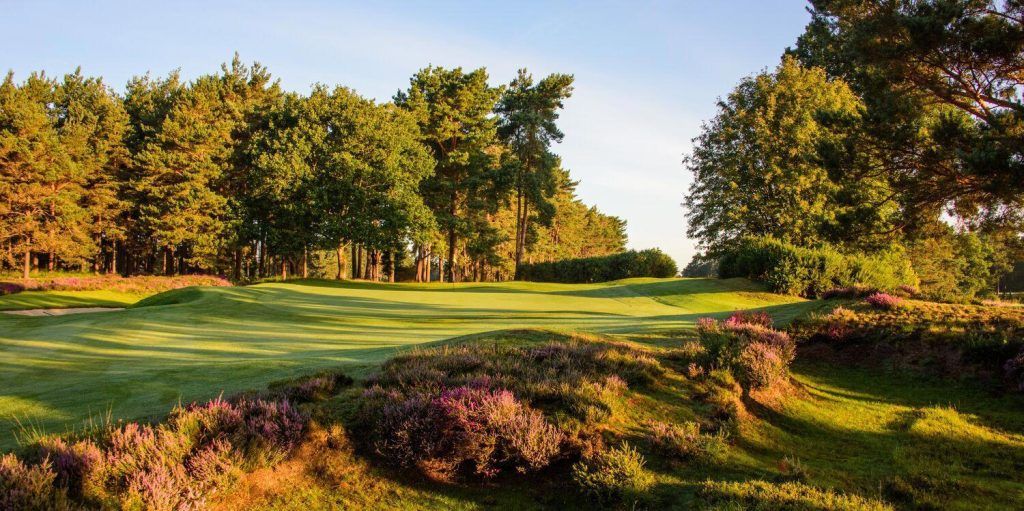
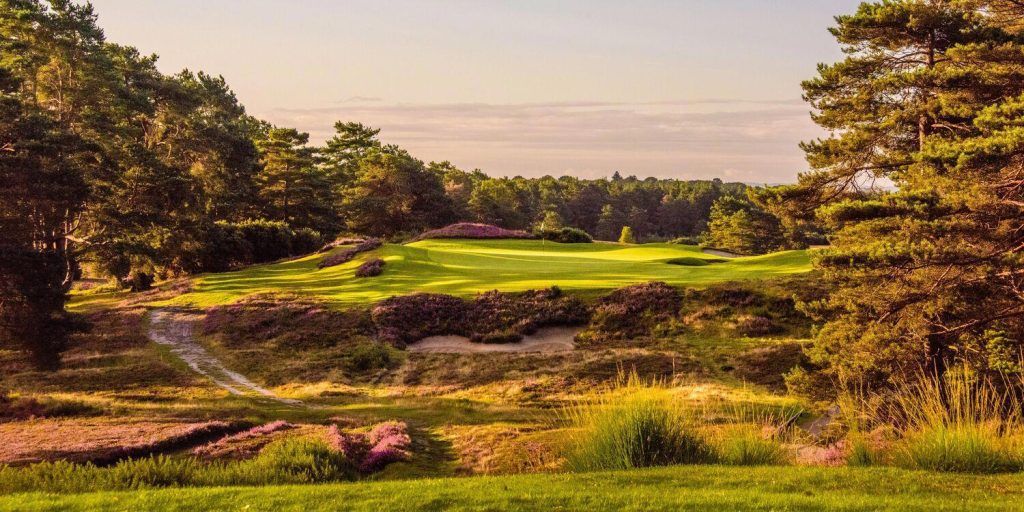
Sunningdale’s Old Course is widely regarded as the finest heathland golf course in the world. Designed by Willie Park Jr. in 1901 and later refined by Harry Colt, it stands as a landmark in the history of the game and consistently ranks among the world’s top courses.
This is golf at its most natural and graceful. The fairways weave through golden heather and mature woodland, with every hole unfolding in harmony with the land. The routing is a masterpiece of intuition, each hole flowing seamlessly into the next.
The greens are subtly tilted and full of character, demanding precision on approach and a deft touch with the putter. The short par fours offer tempting chances, but nothing here is given freely. Sunningdale’s Old Course is one of golf’s truly special experiences.
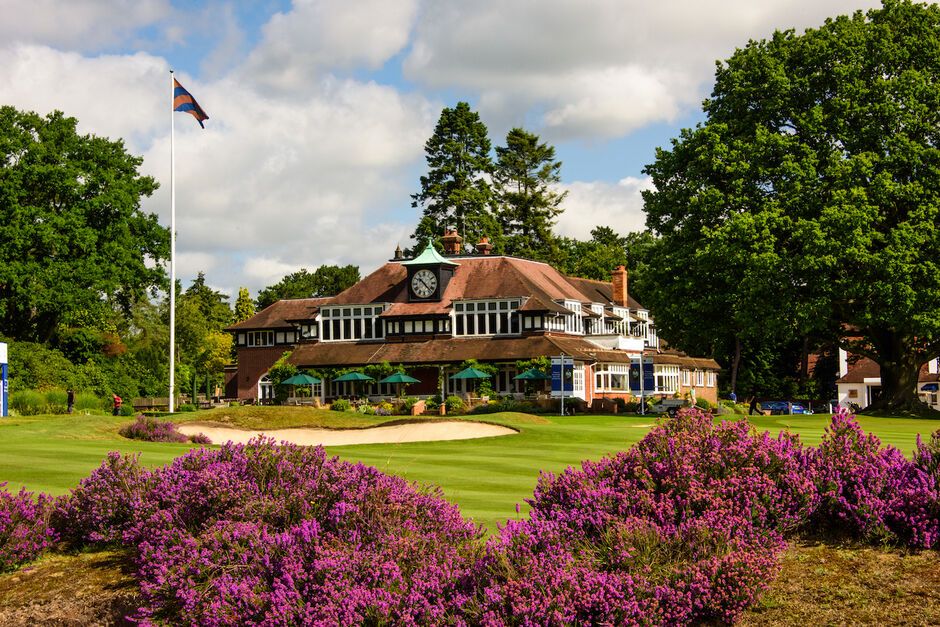
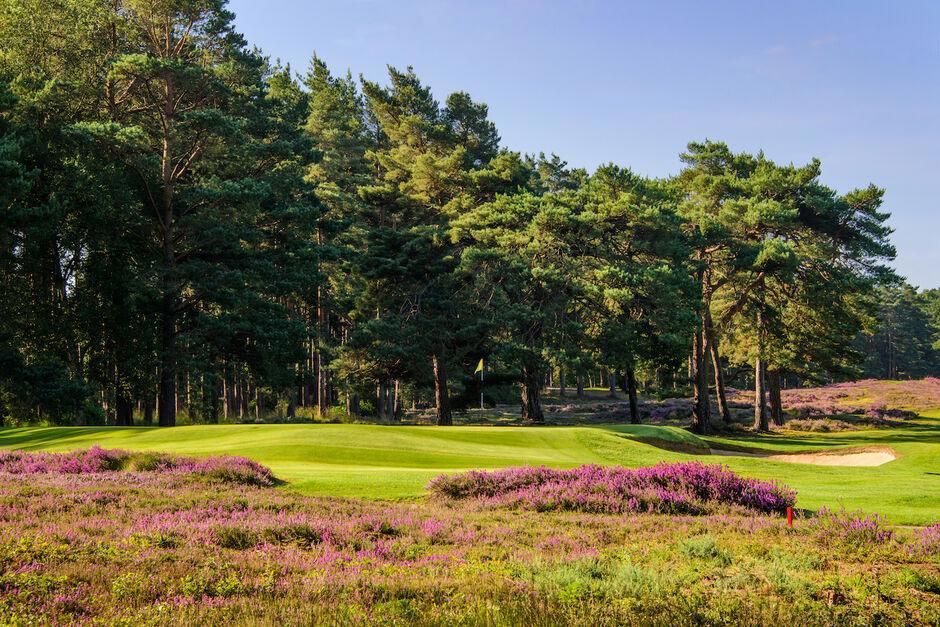
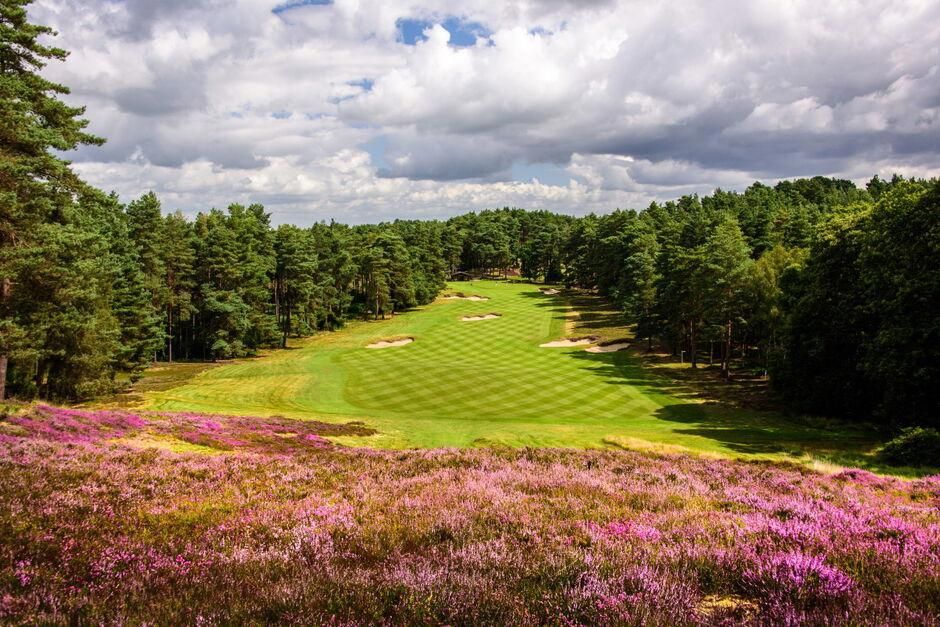
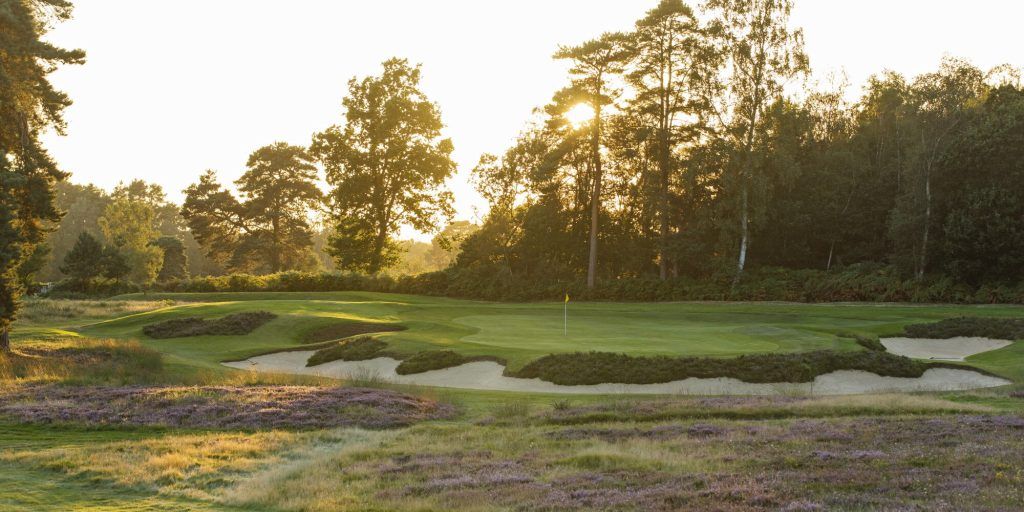
Swinley Forest is a course of rare beauty and quiet perfection. Designed by Harry Colt, who famously described it as his “least bad” work, it feels timeless from the first tee to the eighteenth green.
It isn’t long, but its brilliance lies in its playability and subtlety. The towering pines frame rather than punish, the heather sits just off the fairways, and everything about the design feels perfectly judged.
Swinley’s par threes are the heartbeat of the round. The Redan-style 4th asks you to start it up the right and use the slope, while the long 17th rewards a committed tee shot to a green guarded by thoughtful bunkering.
Always fair but never simple, Swinley Forest delivers golf distilled to its purest form, beautiful, balanced, and deeply satisfying.
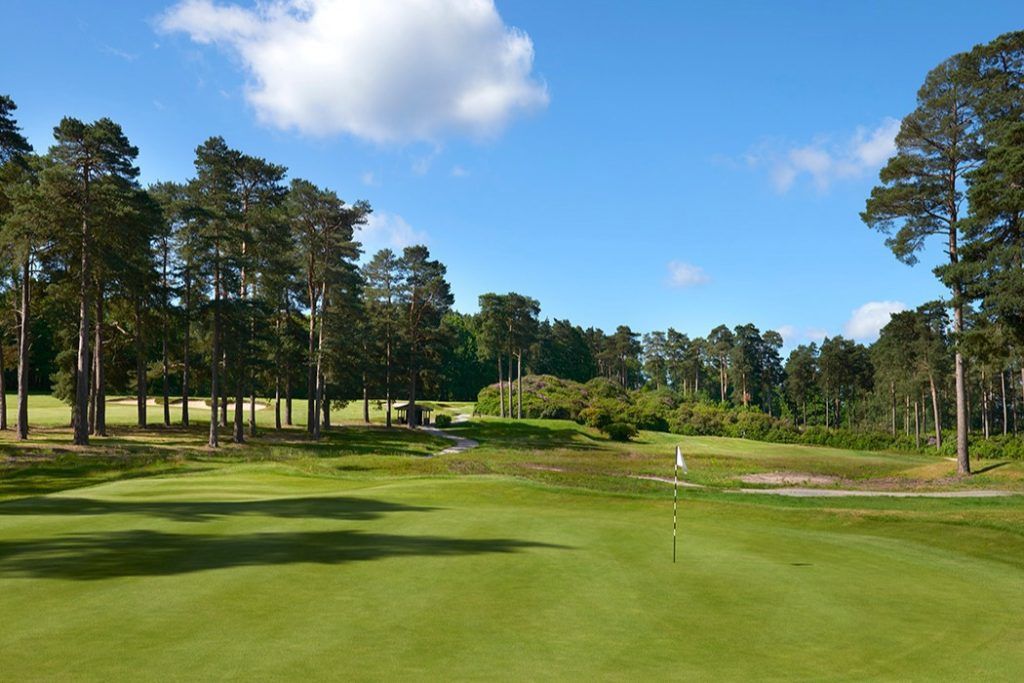
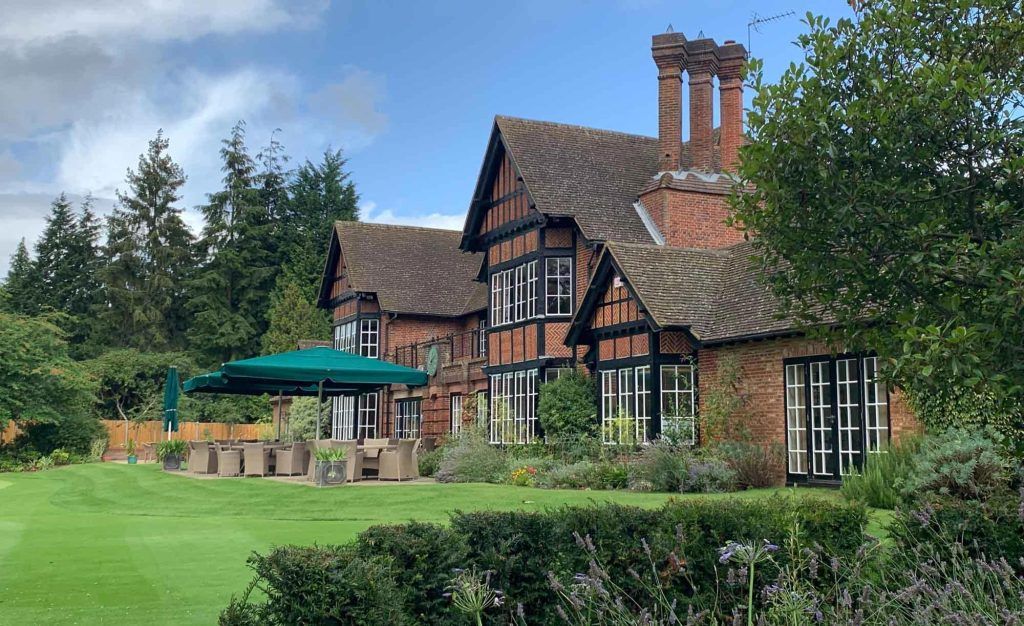
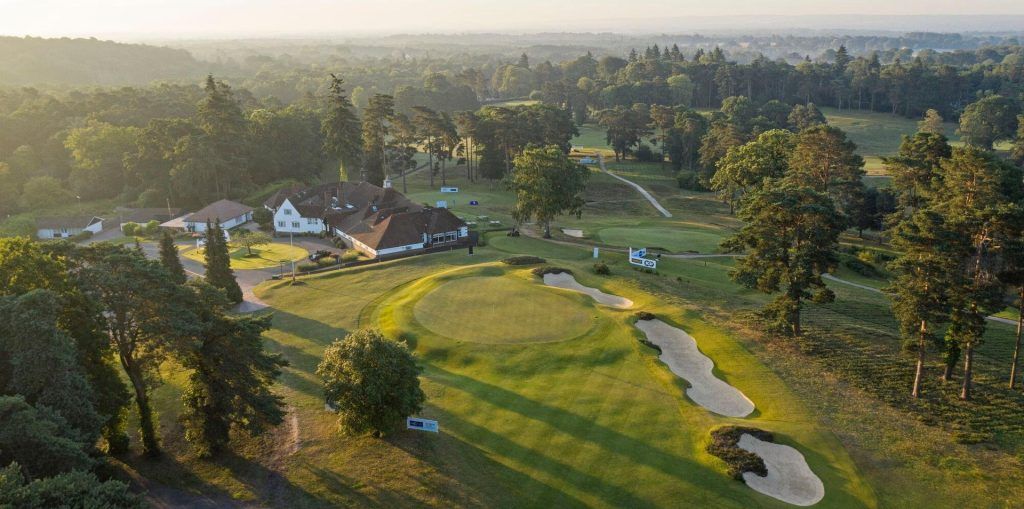
The Blue Course at The Berkshire sets its tone immediately with a striking opening par three, played across a heather-lined valley in full view of the clubhouse terrace. It is a demanding first shot and a clear statement of intent.
The front nine provides scoring chances for those who stay disciplined, with a varied sequence of par fours and fives that follow the natural movement of the heathland. Herbert Fowler’s routing makes intelligent use of elevation, asking players to judge approaches that rise and fall through well defined corridors.
The challenge intensifies on the back nine. It opens with another testing par three before building toward a famously exacting finish. The final five holes are all long par fours, placing a premium on accuracy, control and decision making.
Immaculately presented and thoughtfully designed, the Blue Course is a demanding yet fair expression of classic heathland golf.
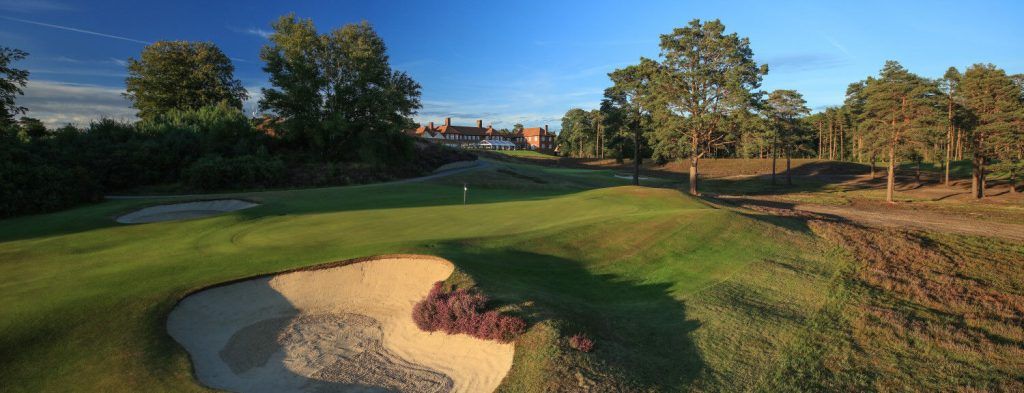
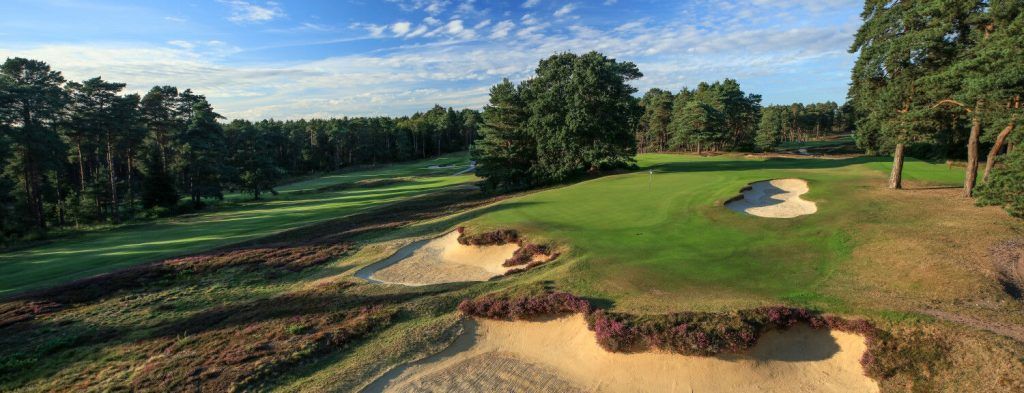
The Red Course at The Berkshire is a classic and highly regarded example of English heathland golf. Designed by Herbert Fowler and opened in 1928, it flows across rolling terrain framed by heather, pine and silver birch. Its distinctive balance of six par threes, six par fours and six par fives creates constant variety, with subtle elevation changes giving the course shape and momentum throughout the round.
Fowler’s design asks players to think carefully from the tee, using width and angles to set up approaches into expressive, well defended greens. The routing feels natural and unhurried, and conditioning is consistently excellent. The Red remains a course to savour, offering variety, nuance and enduring quality.
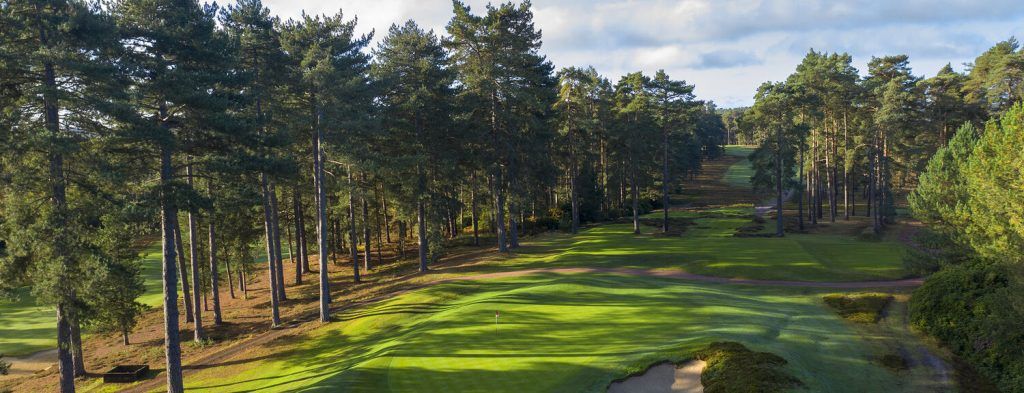
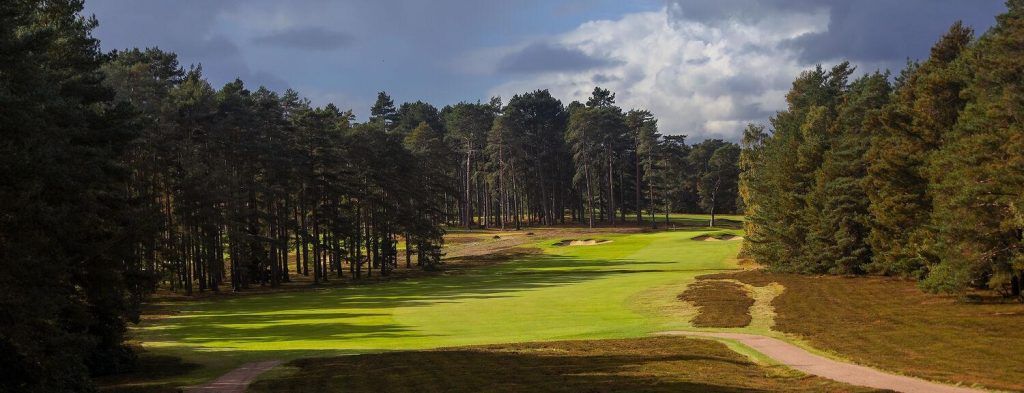
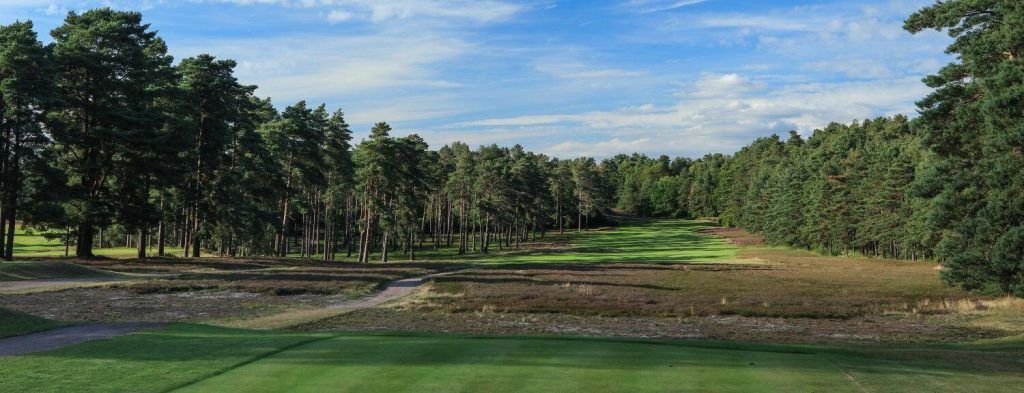
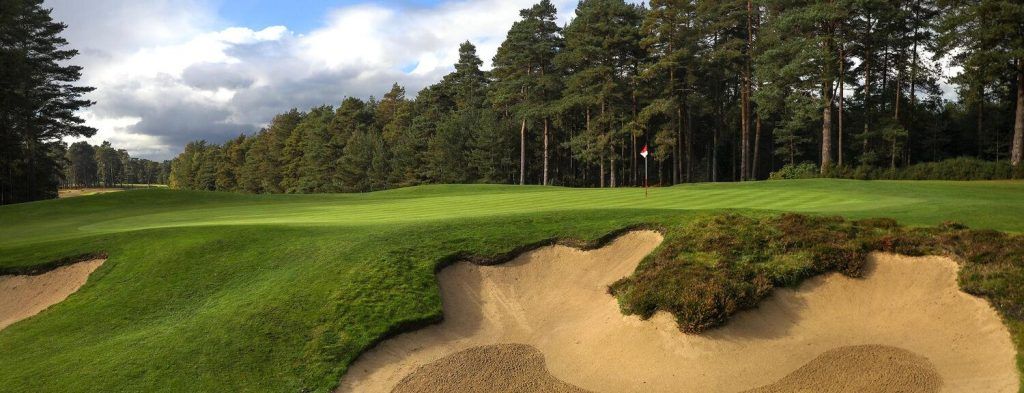
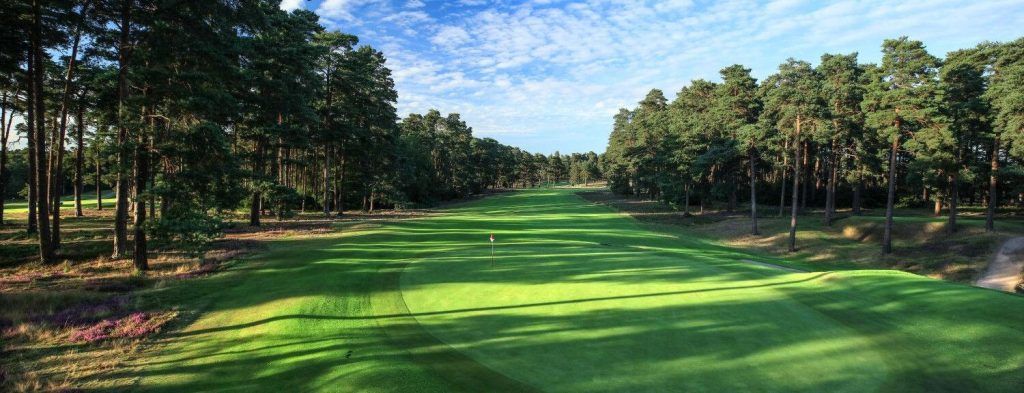
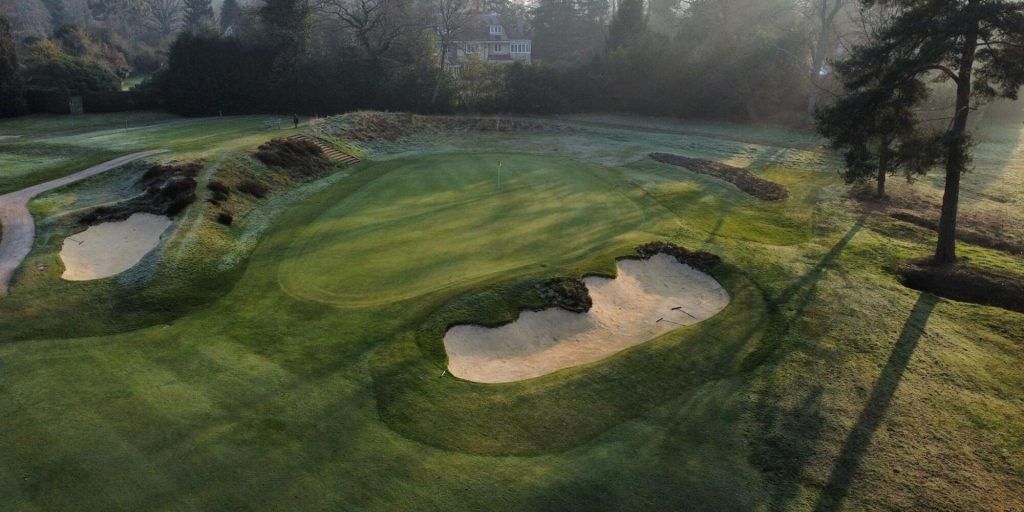
The Old Course at Walton Heath is a fine example of English heathland golf. Laid out by Herbert Fowler in 1904, it unfolds across broad, open terrain with firm turf, heather lined fairways and strategic bunkering. The fairways invite confident driving, yet success depends on finding the correct angles into large, subtly contoured greens.
The course builds momentum as the round progresses, with standout moments including the demanding par three eleventh and the superb fourteenth, one of the most rewarding drives in heathland golf. With a championship history that includes the Ryder Cup, British Masters and Women’s Open, Walton Heath Old remains a place of quiet authority, tradition and enduring strategic challenge.
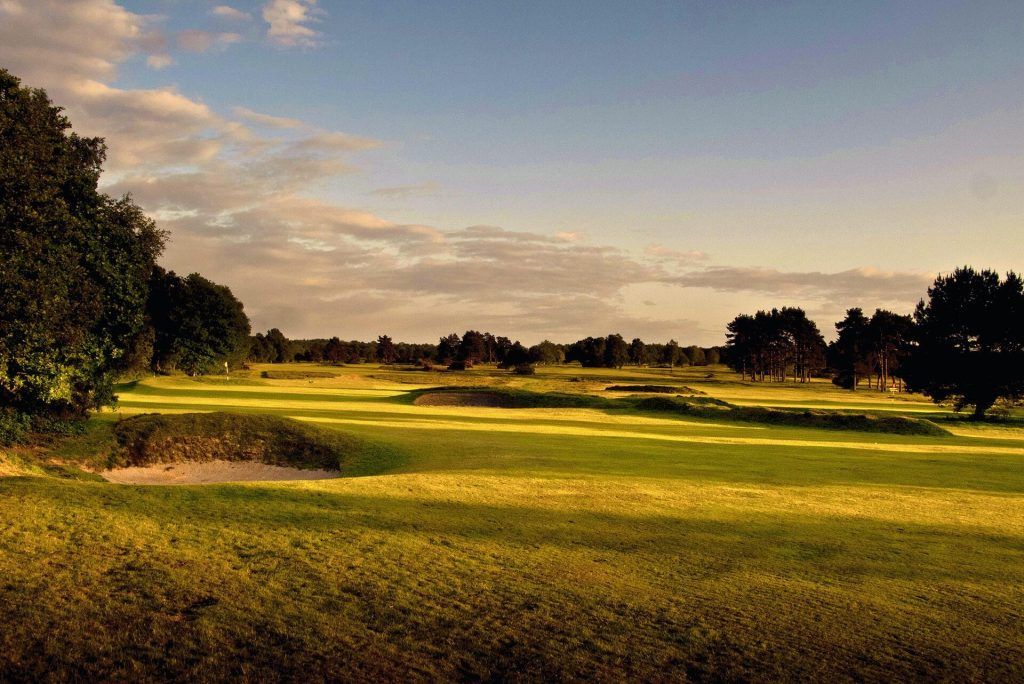
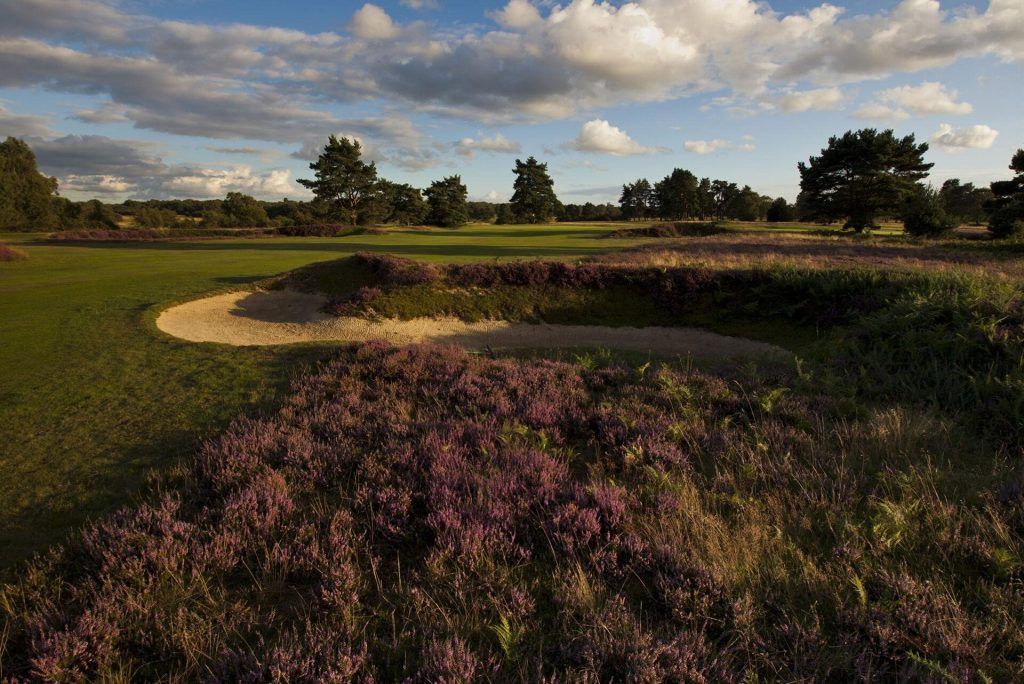
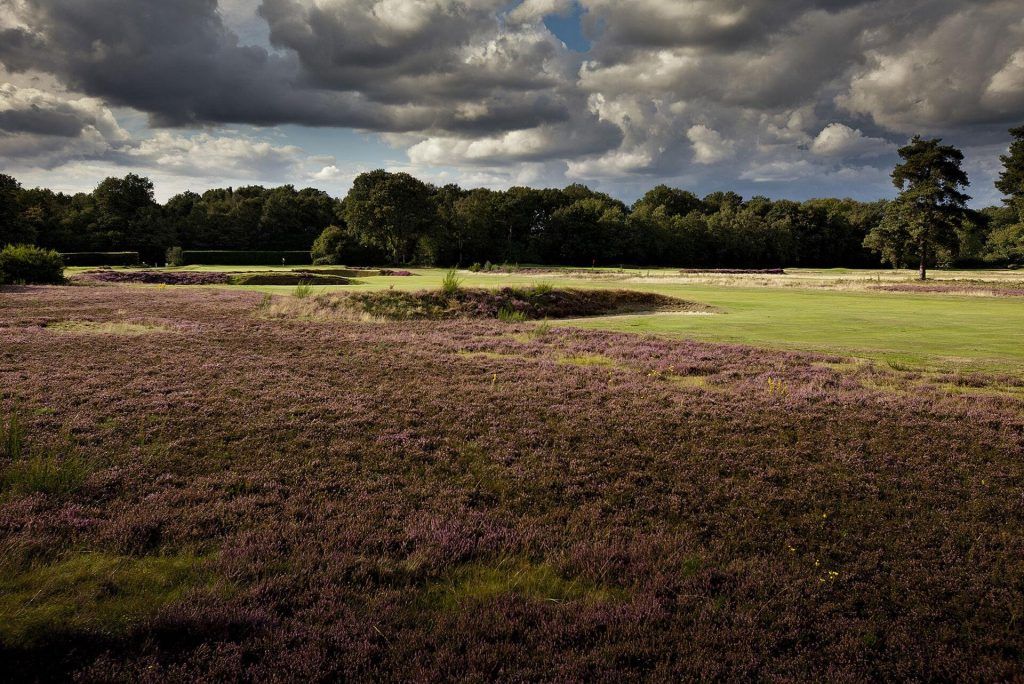
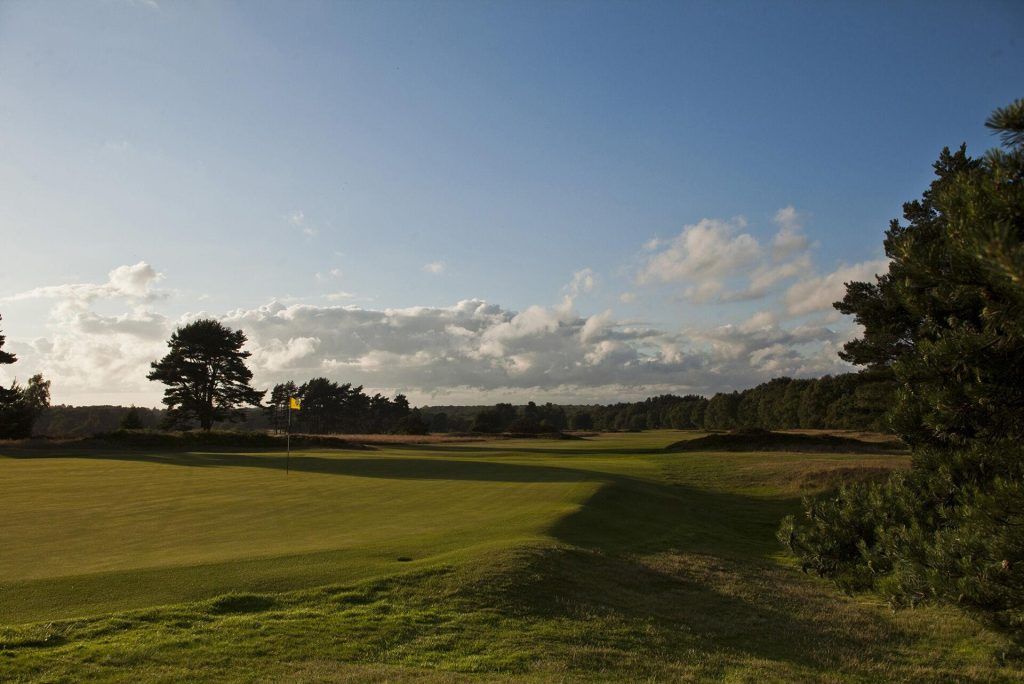
Worplesdon Golf Club is one of England’s great inland heathland courses, offering a classic and wonderfully understated golfing experience just outside London. Designed by J.F. Abercromby in 1908, the course flows naturally across sandy terrain framed by heather, pine and silver birch.
Strategic bunkering, firm running fairways and subtly contoured greens place a premium on thoughtful shot making rather than power alone. The layout rewards precision from the tee and imagination into the greens, with variety and balance throughout the round. Steeped in tradition yet welcoming in spirit, Worplesdon stands comfortably alongside nearby heathland neighbours as one of the best tests of classic English golf.
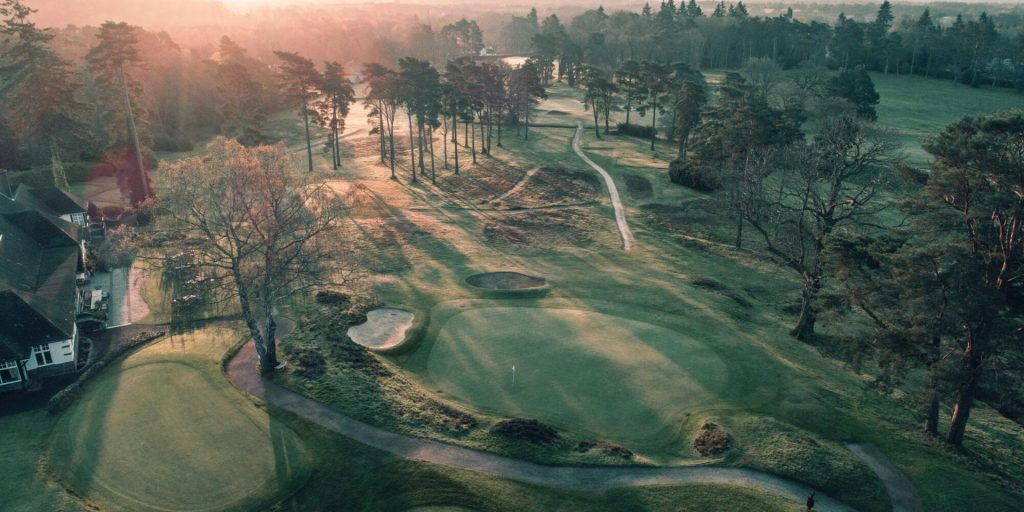
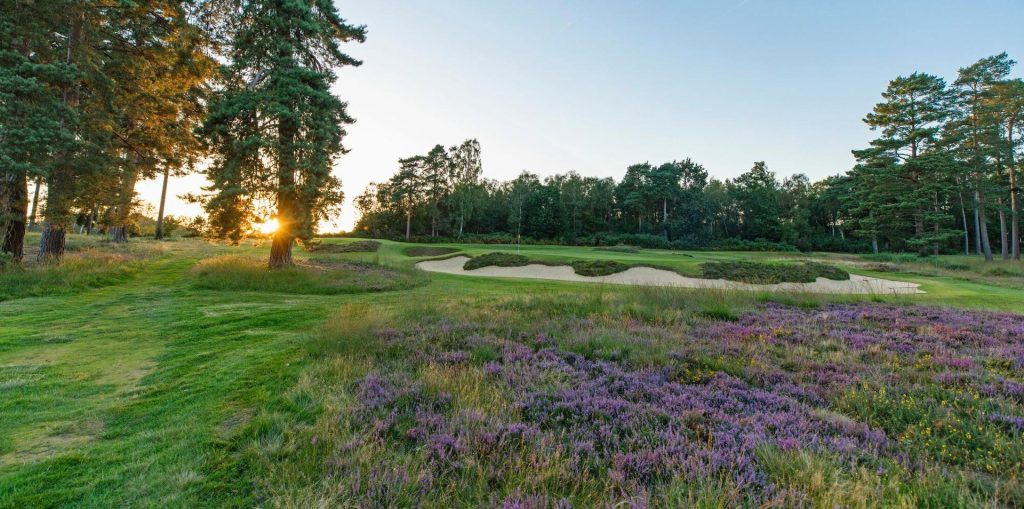
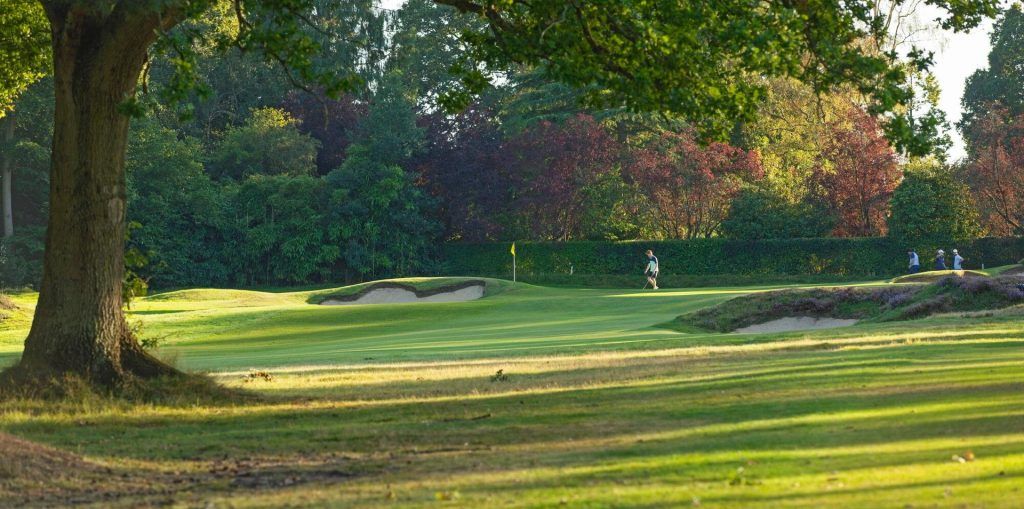
You will be staying in the well appointed on-site lodges at Prince’s Golf Club, a premier base for exploring the Kent Golf Coast and championship links. The Lodge at Prince’s sits right by the course and offers contemporary, golf-friendly accommodation with views across the fairways and Sandwich Bay.
Guests enjoy spacious rooms with en-suite bathrooms, thoughtful storage for clubs and gear, complimentary Wi-Fi and a warm, welcoming atmosphere. It is widely regarded as some of the best accommodation in the area and has even hosted top professionals such as Collin Morikawa during his Open victory next door at Royal St George’s.
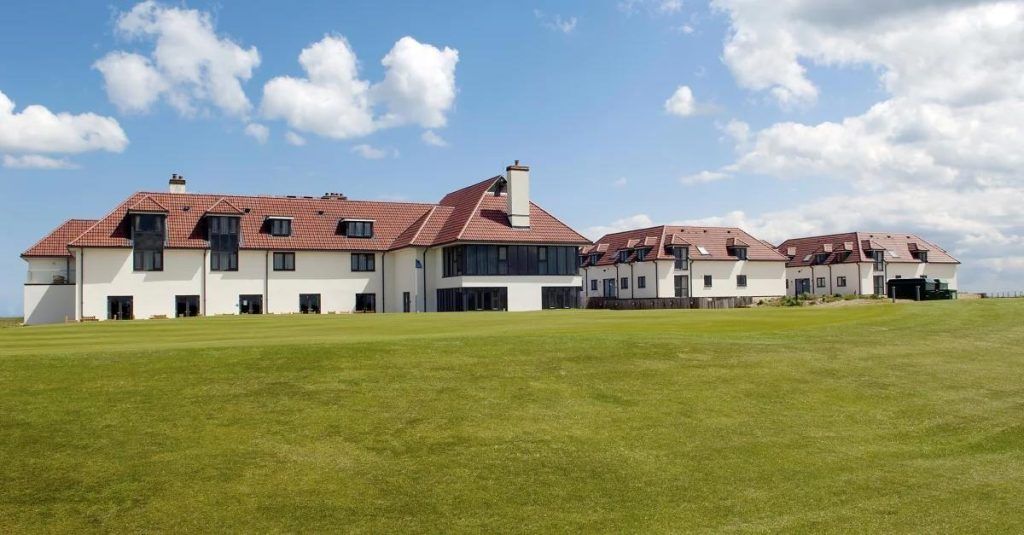
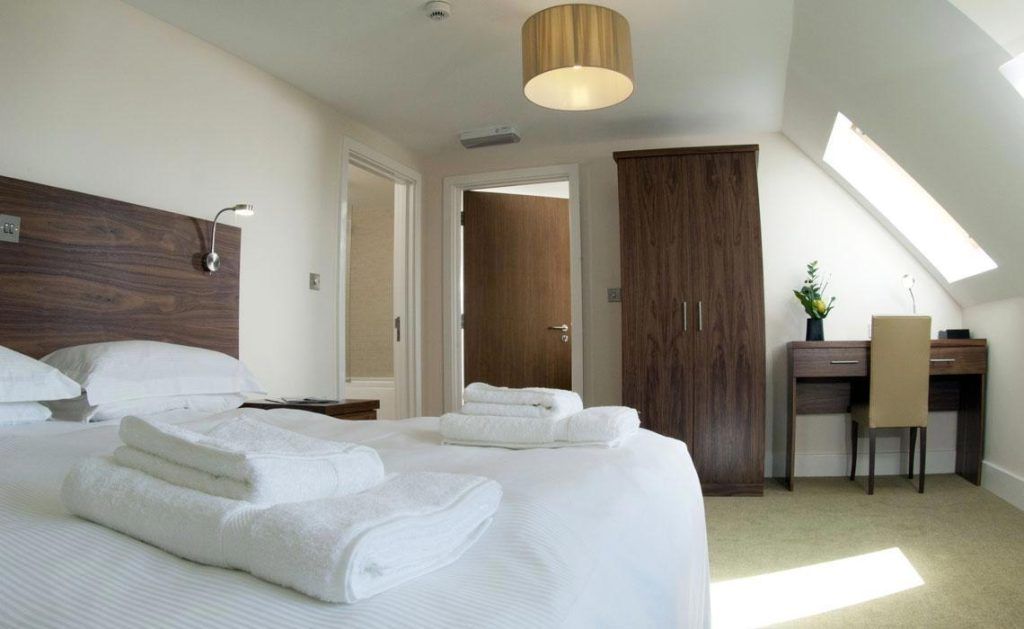
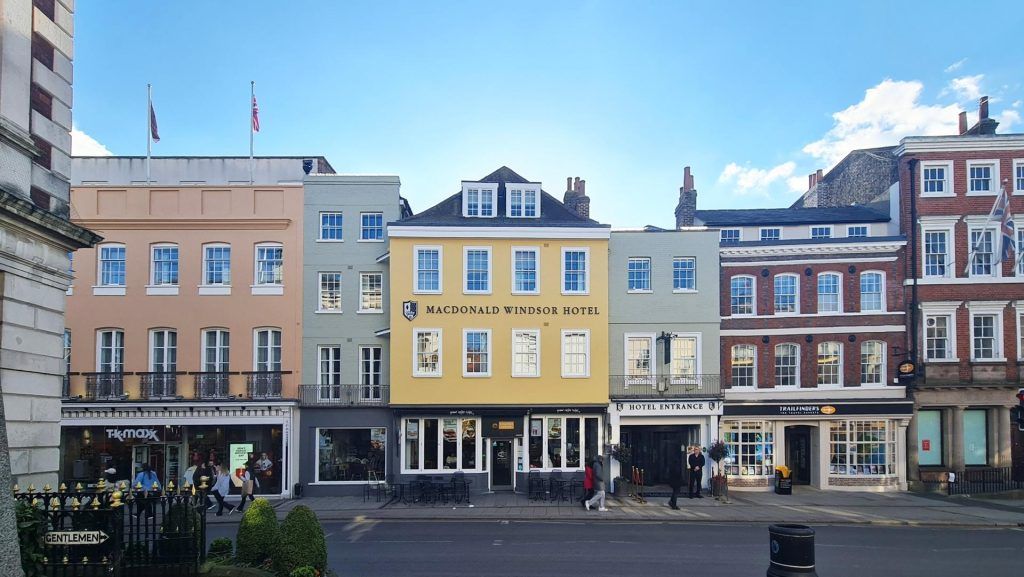
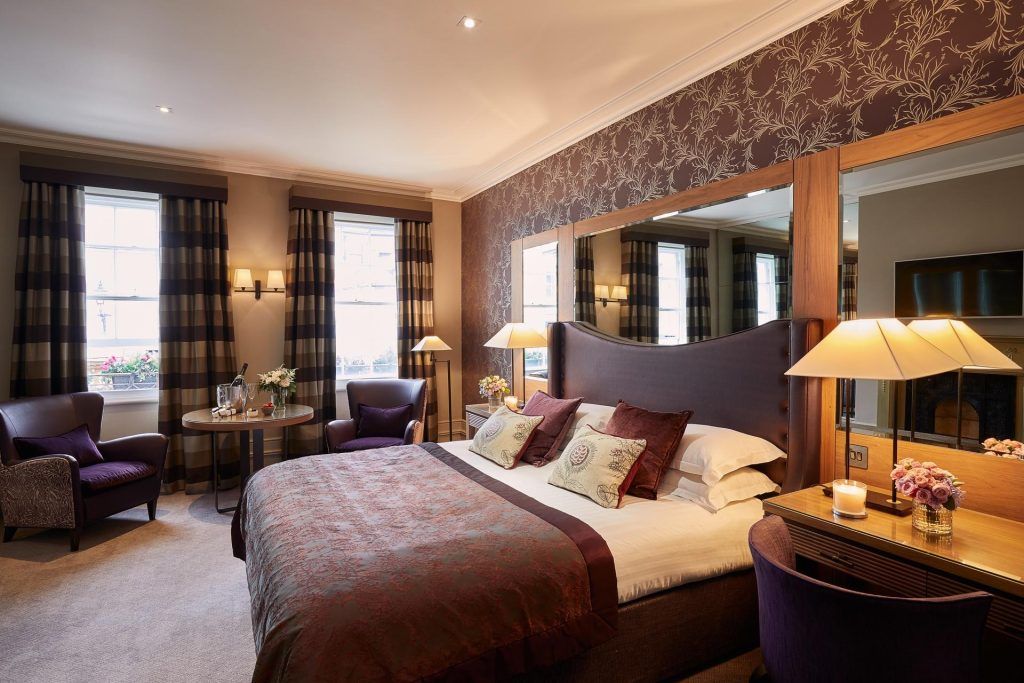
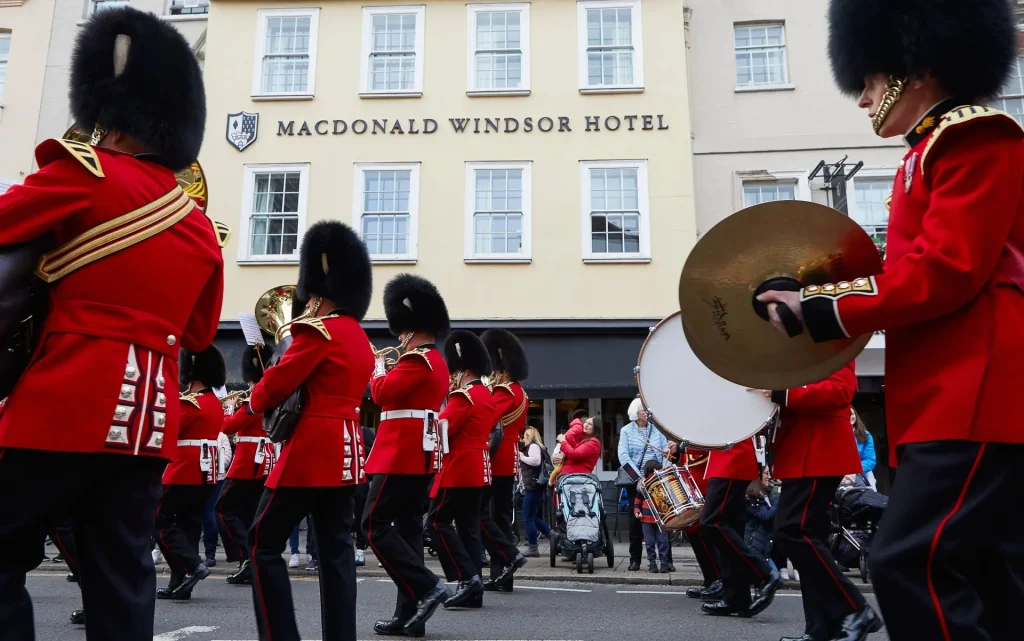
The Macdonald Windsor Hotel enjoys a prime position on the High Street, directly opposite Windsor Castle, making it an elegant and convenient base for golfers exploring the area. This four star contemporary townhouse hotel blends modern design with understated comfort, with well proportioned rooms and suites, some offering views across to the castle. Interiors are sleek, practical and welcoming, ideal for unwinding after a day on the course.
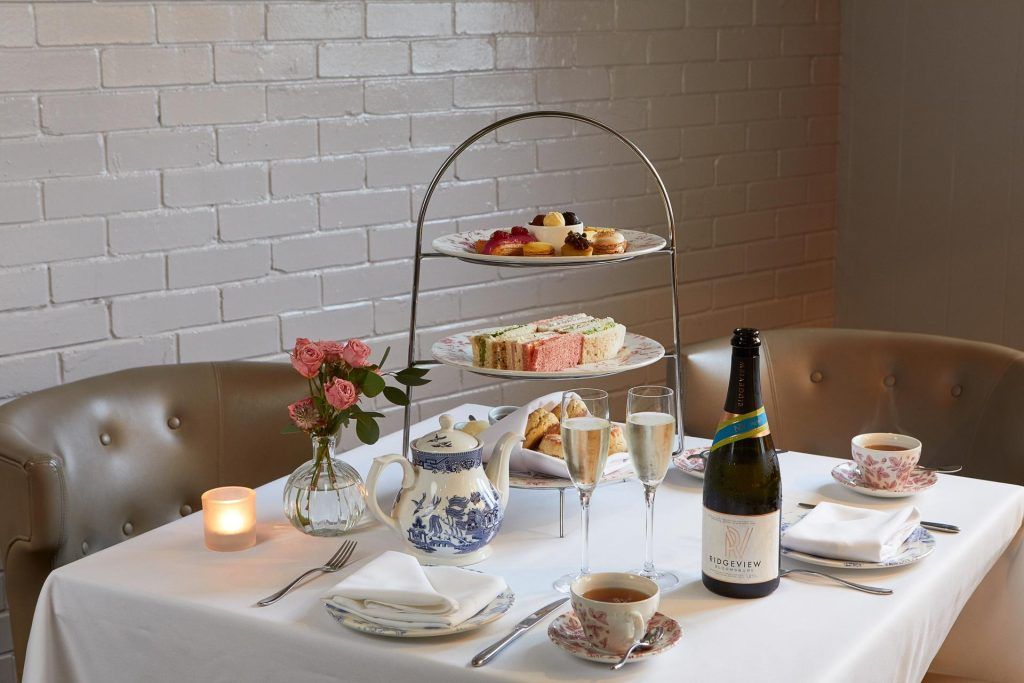
Caley’s Brasserie serves contemporary British cuisine in a relaxed yet refined setting, while the surrounding streets of Windsor offer an excellent choice of pubs, restaurants and historic walks, all just moments from the hotel.
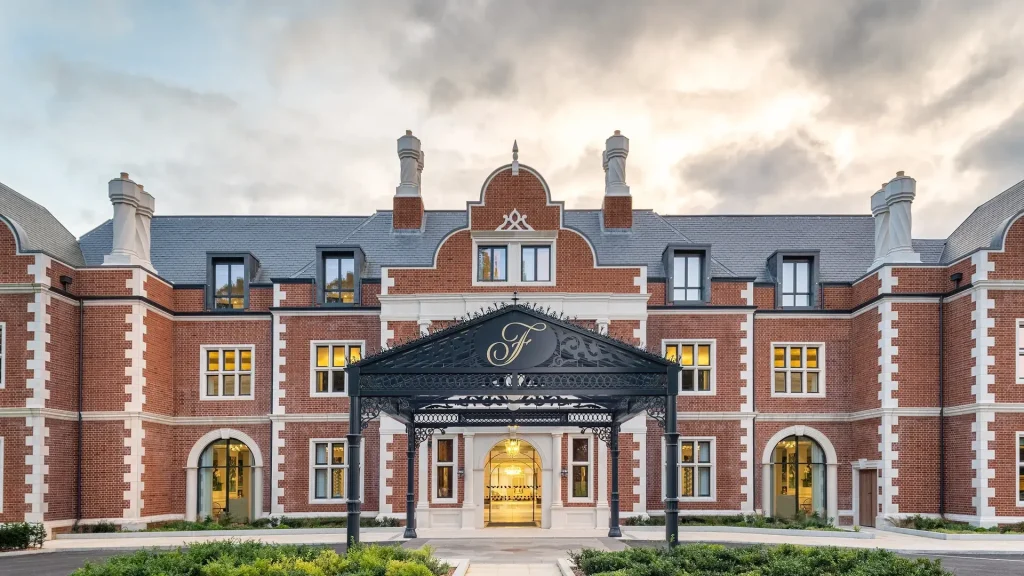
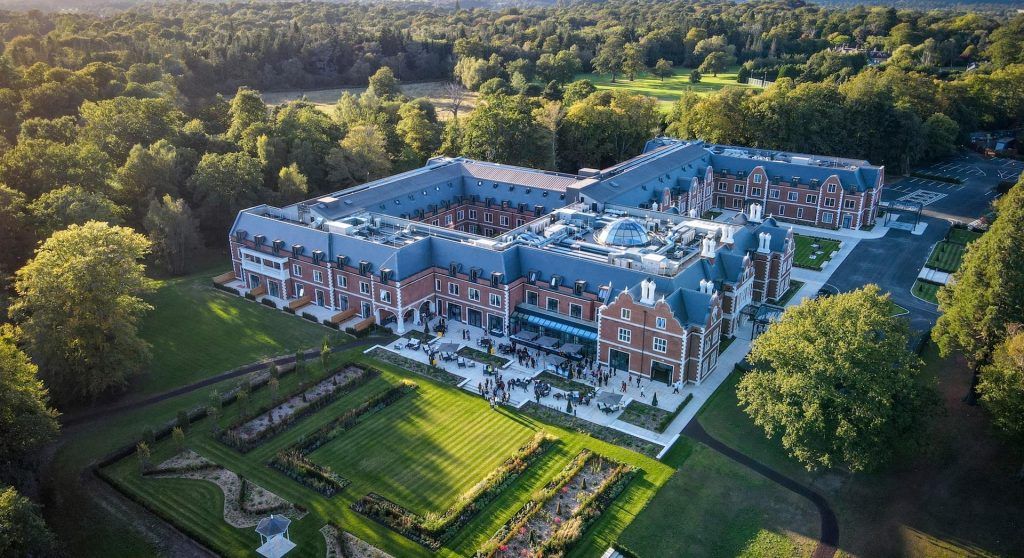
Fairmont Windsor Park is a five star hotel set on the edge of Windsor Great Park, surrounded by open parkland and formal gardens that give the property a sense of space and privacy. The setting feels distinctly rural, despite being close to Windsor and within easy reach of London and Heathrow.
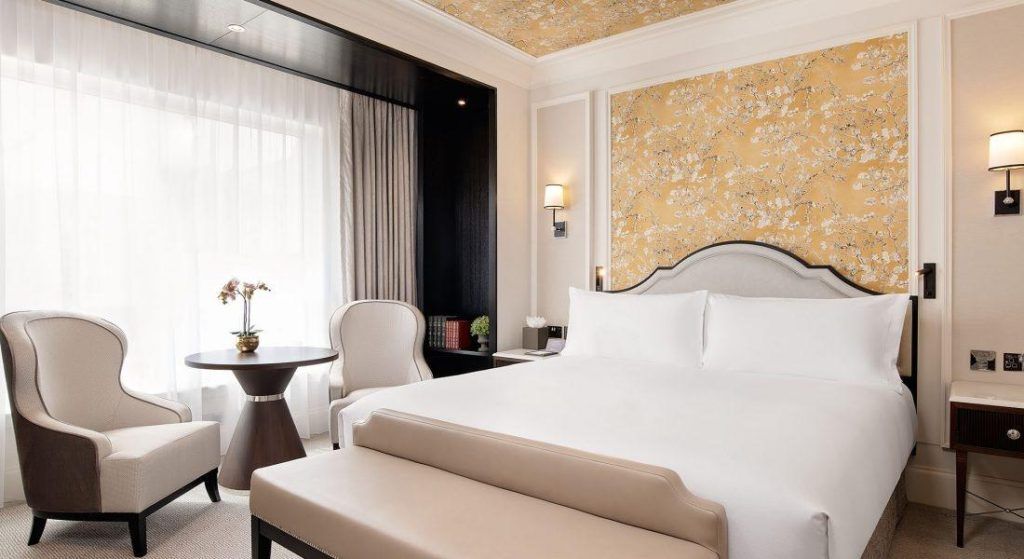
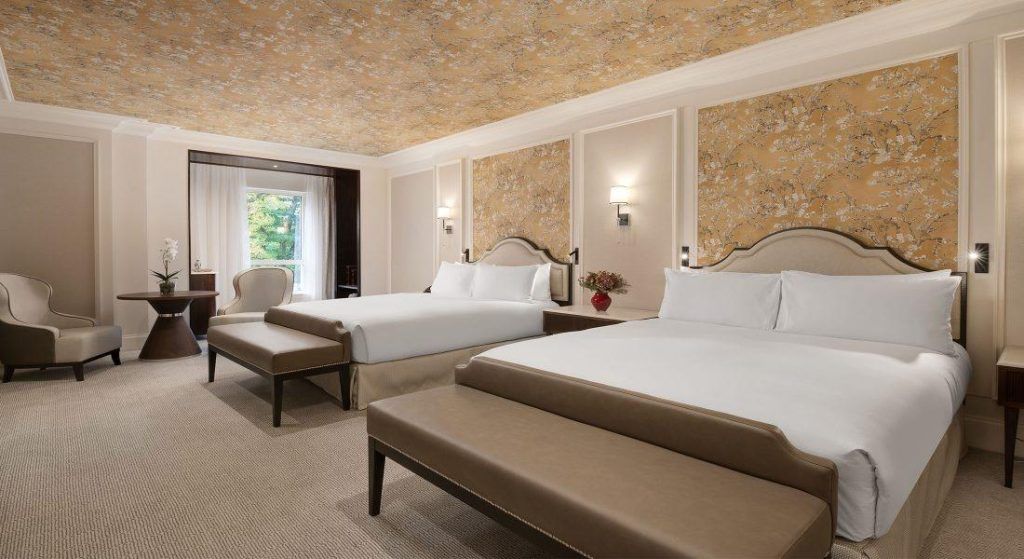
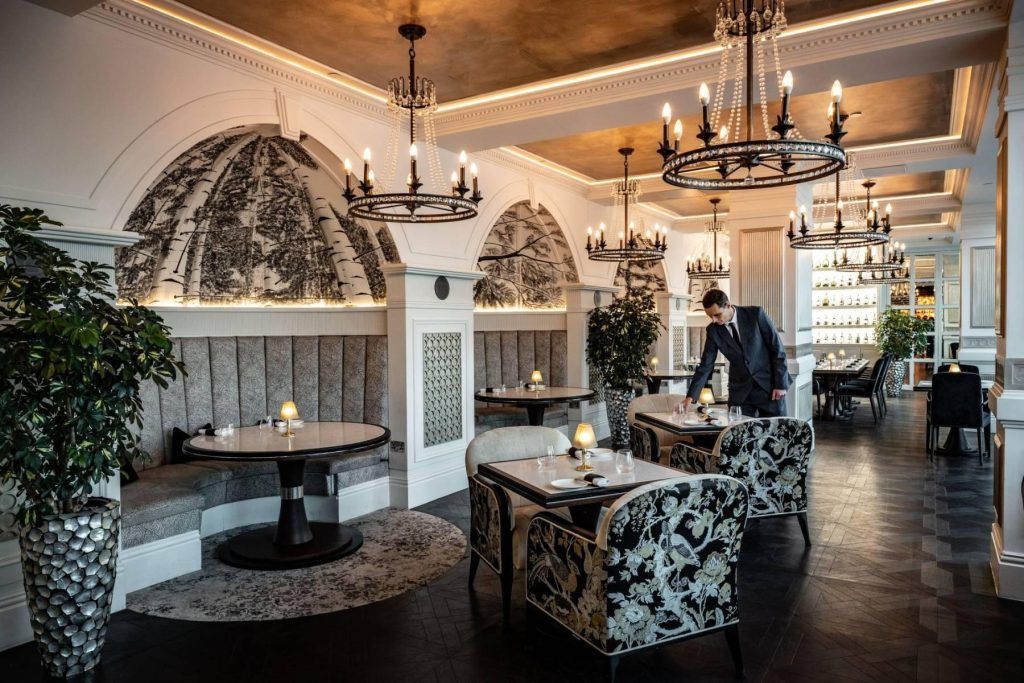
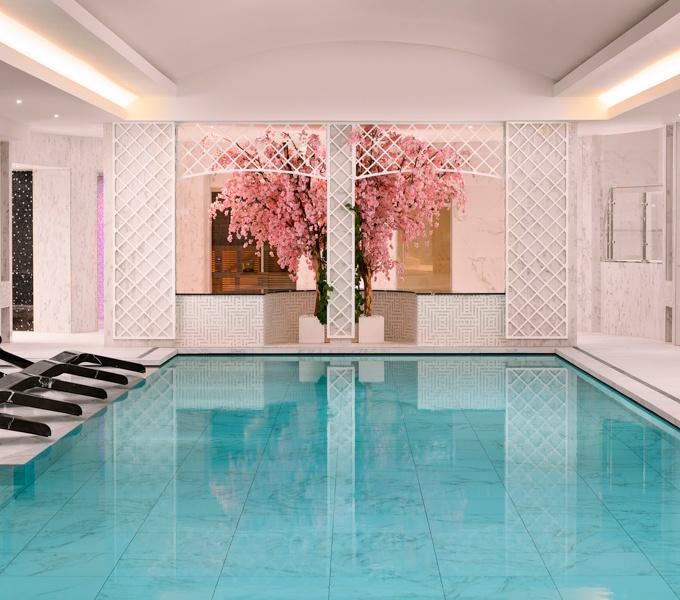
The hotel combines a modern build with the proportions and flow of a country house, with large public rooms and 251 spacious bedrooms and suites, many looking out over the grounds or the lake. Dining is a central part of the stay, with several restaurants offering everything from refined evening menus to relaxed daytime dining and afternoon tea. The spa is a standout feature, with pools, thermal facilities and a broad wellness programme.
If you are looking for a luxury stay, well positioned for the golf south of London then the Fairmont Windsor is an excellent choice.