Golf in Scotland can broadly be divided into five regions: Fife, East Lothian, The West Coast, The North East, and The Highlands. Each has its own headline act, the one course that defines the area and feels essential to any visit. For example, St Andrews has The Old Course, East Lothian has Muirfield, and The Highlands has Royal Dornoch. These are the bread and butter of any Scottish golf trip, and for good reason. They are fan favourites in which a shirt purchase is an absolute necessity, despite your better half’s explicit warnings against.
Most itineraries naturally revolve around one or two regions: East Lothian and Fife are a match made in golfing heaven, while the North East and The Highlands suit those on the more adventurous side. Trying to squeeze in much more than that can quickly lead to ‘mileage fatigue,’ where the travel begins to overshadow the golf.
Conversely, you may decide to go for a more relaxed approach and call one town home for a week, venturing outwards in a spider’s web fashion to explore the local area. There is a lot to be said for becoming a local for a few days, finishing your trip confident that you’ve sampled every pint of Guinness within a ten-mile radius.
You may have a handful of ‘non-negotiable’ courses in mind, cemented in place long before logistics are even considered. But where do you go from there? It’s tempting to simply work your way down the Top 100 lists, choosing the next most familiar name, but there is a strong case for leaving space for something quieter. While the established favourites are famous for a reason, there is a reward in venturing off the beaten path and taking a chance on the understated.
The question then is – how important is it to balance the blockbusters with the odd indie or two? I certainly believe it to be crucial, and if you continue reading, I hope you walk away convinced.
The term “hidden gem” is largely self-explanatory in a golf context. In its simplest form, it is a golf course that sits outside the spotlight, yet provides an experience that feels authentic and genuine. These are often the courses found down the road less travelled, offering a ‘wow factor’ that rivals an Open Championship venue. It may be difficult to get to, or perhaps hidden in the shadows of its more famous neighbours. These courses don’t seek the limelight, but revel in their understatedness. It may even have an honesty box system where patrons post their crisp £20 notes through a cut out into the club’s secretarial office. One thing a hidden gem is not, is obscure for the sake of variety.
The shores of Scotland have been thoroughly scoured by foreign golfers for decades. No golf course worth visiting is truly hidden anymore. However, that is not to say that they are all equally recognised. There remains a wealth of courses sitting just outside the spotlight, capable of adding real depth to any trip. These are the courses that reward those willing to look beyond the rankings. Hidden no more, but gem they remain.

Easier said than done, but balance is something that should sit at the centre of any golf trip to Scotland. While moving from one iconic golf course to another can be exhilarating, it can also be demanding. Long rounds, formal settings, and the weight of expectations can diminish the experience when repeated every day, causing an underappreciation of just how special Scotland’s flagship courses are. Instead, refuge can be found in the understated, where informality and comfort provide some much needed respite from the star studded venues.
You might even find that you prefer the slower paced nature of courses that sit outside the limelight. While it is a cliché to say these venues provide a more ‘genuine experience,’ it is often true. There is a specific kind of wry smile reserved for the 18th green of one of these courses, a look of genuine surprise that only comes when expectations are far exceeded.
Balance in your course selection allows for a sharper appreciation of your whole trip. A lesser known track, when inserted carefully, heightens the sense of occasion when returning to a blockbuster course. Ultimately, a well-considered itinerary doesn’t dilute the experience, it deepens it.

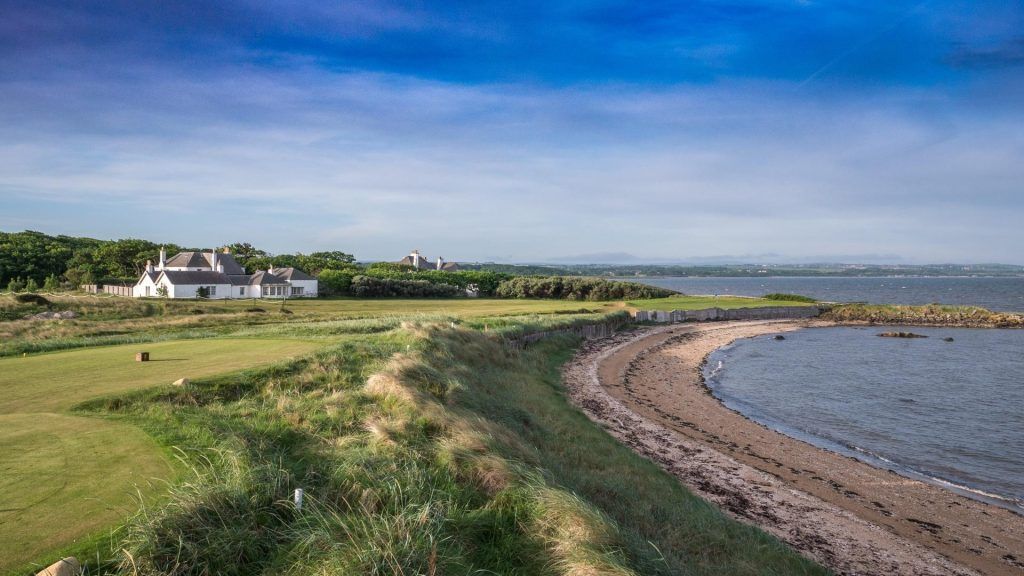
Regardless of where you are based for the week, you are never far from a course that fits this description perfectly. In East Lothian, Kilspindie and Dunbar immediately come to mind; both offer a raw, unhurried experience while sharing the same rugged coastline as Muirfield and Gullane. A late afternoon stroll around either of these courses helps to serve as a reminder of why the game is so compelling in its purest form. They are beautiful in their simplicity, and will encourage you, as opposed to test you.
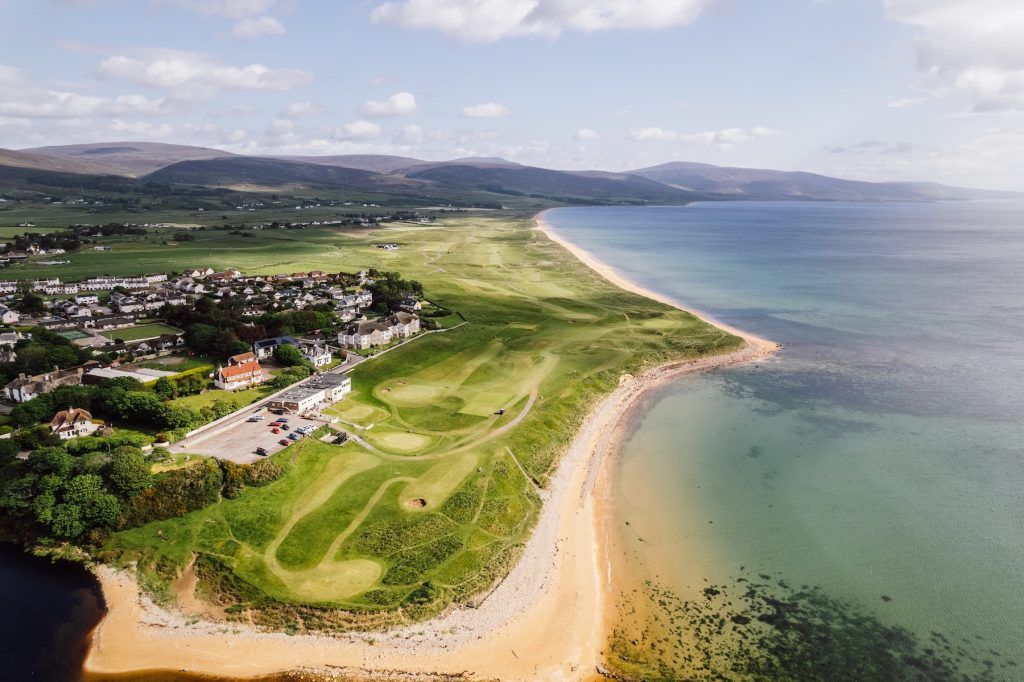
In the Highlands, we have Brora. Only a 30-minute drive from the world-famous Royal Dornoch, Brora helps you envisage what golf was truly like a century ago. A James Braid classic, it features traditional hazards in the form of pot bunkers and cross fairway burns, as well as the odd grazing cattle or two.
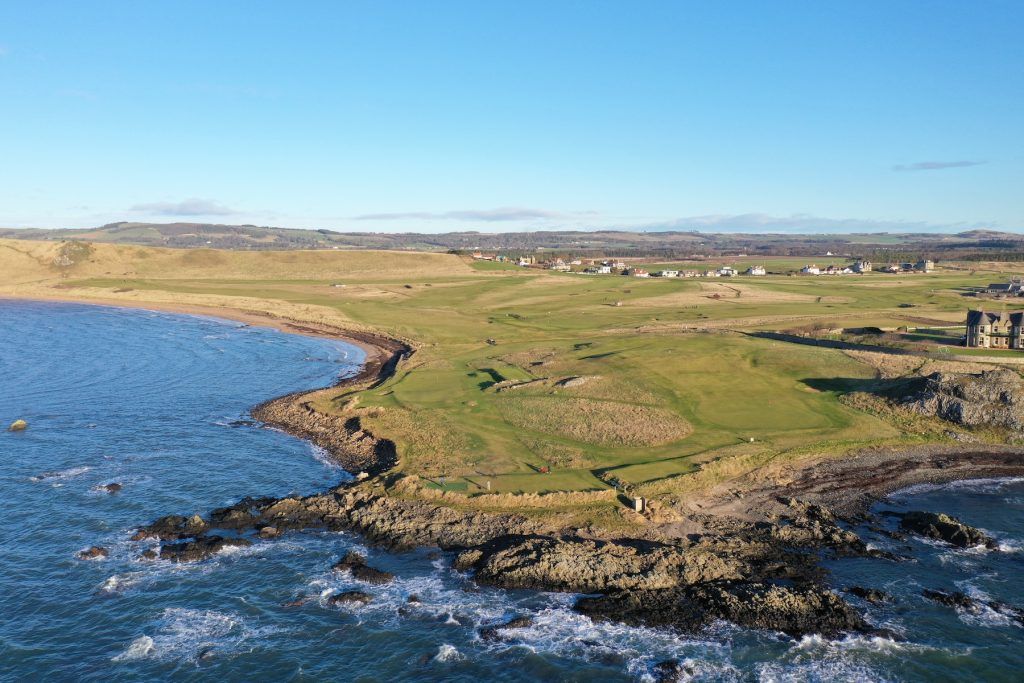
In Fife, there is the Golf House Club at Elie, a course that personifies a fun and playable round of golf for all. Located just twenty-five minutes south of St Andrews and sitting across the Firth of Forth from the Renaissance Club, it is ideally situated to break up a busy week or to serve as a scenic stop on your journey north from East Lothian. It offers a welcome change of pace, particularly when sandwiched between the more demanding rounds at Kingsbarns and Carnoustie.
As awareness for these golf courses grows, so does their demand and subsequent greenfee. For now, they remain amongst the most rewarding additions to a Scottish itinerary.
Scotland’s great golf courses deserve every bit of their recognition they so often receive. They are what attracts hundreds of thousands of tourists to visit the Home of Golf every year. They are the backbone of golf in Scotland, and instill butterflies in your stomach, whether it is your first visit or your tenth.
However, a week spent travelling from one headliner to another can lead to diminished returns. Adding in an overlooked gem helps to slow the pace and softens the edges of a trip. They are not intended to compete with the legends, but to compliment them, often resulting in a deeper appreciation for both.
The most enjoyable itineraries are rarely the most ambitious or the most “stacked.” Instead, they are the ones with careful consideration to the flow and offer a thoughtful balance between the iconic and the understated. More often than not, it is those unassuming rounds, played without expectation, that linger the longest in the memory once your trip comes to an end.
By Robbie Lacon
Client Experience Manager, Outpost Overseas
Robbie supports guests throughout the lead up to their trip and while they are travelling. He works closely with clients to refine details, answer questions, and ensure everything is in place before departure. He then remains on hand during the journey to make sure it unfolds smoothly.