It is a rare event when a new course opens in the Home of Golf, and rarer still when the man behind the design is Tom Doak. As Old Petty at Cabot Highlands prepares to take its place alongside the legendary Castle Stuart, we sat down with Tom to discuss his long-standing relationship with the North of Scotland and what golfers can expect from his latest Scottish project.
Tom’s introduction to the Highlands dates back to August 1982. After a month spent caddying in St Andrews, he headed north on the advice of the legendary greenkeeper Walter Woods. When we asked about his lasting memories from that first trip, the stories of the journey and the locals stood out.
“I first went up there in August of 1982 after having caddied in St Andrews for a month or so. When I asked the St Andrews greenkeeper, Walter Woods, what he thought of Dornoch, he said he had never been because it was such a long drive. It took a good ninety minutes longer back then to go inland around the two firths.
I asked the secretary at Dornoch if I should go around to see Brora, the home club of Jim Miller who was the reigning Carnegie Shield winner. The secretary said not to bother. I think he just wanted to keep me in Dornoch another day and take another green fee. It was £10 at the time!”
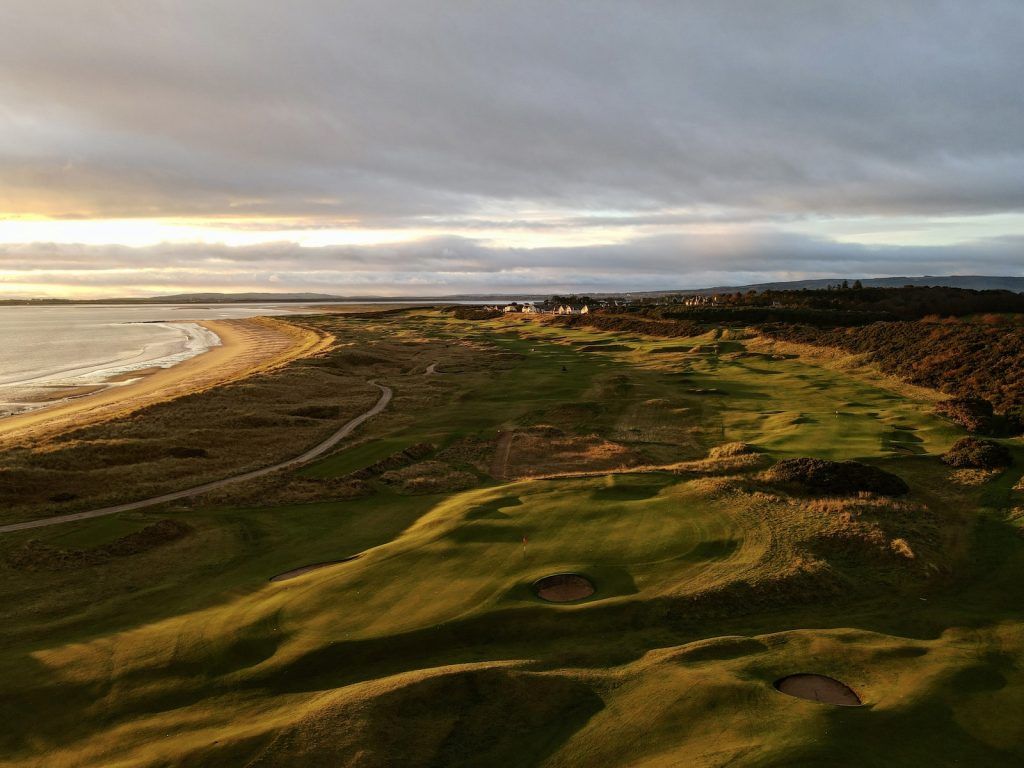
Dornoch remains a cornerstone of Tom’s architectural philosophy. Having chosen it as one of his favourite links courses in the world, he has spent a lot of time considering what makes the greens there so unique and why the course resonates so strongly with international visitors.
“The more I have thought about it over the years, I have come to the conclusion that Dornoch is the Scottish links most likely to appeal to Americans. It is so pretty and after the opening holes you always have a view of the water.
I was a better player back then and I admired the difficulty of the approach shots, most famously at the 2nd and 6th. But the other thing that sets the course apart from most links is a really interesting set of greens. Though most of them are of the plateau type, they have beautiful contours and beautiful features in the surrounds to present all kinds of interesting recovery shots.”
Beyond the famous names, the journey through the Highlands is defined by the variety of its terrain. Tom recalls the excitement of discovering these courses for the first time, long before the era of social media.
“I stopped at Pitlochry, Boat of Garten, and Strathpeffer on my way up. My most vivid memory was taking an iron for safety on the 15th at Boat of Garten because it looked threatening, and walking up there to discover that I had taken the perfect club to hit into the gully!
Besides Dornoch, the other course that prompted a deep reaction from me was Cruden Bay. I remember calling home from the phone box in Port Erroll, just across from the fourth tee, to tell my mom it was the most dramatic course I had ever seen. I had only ever seen one photo of it before I got there and had no idea what to expect. I feel badly for people nowadays who have seen everything on Instagram before they even get to a new place.”
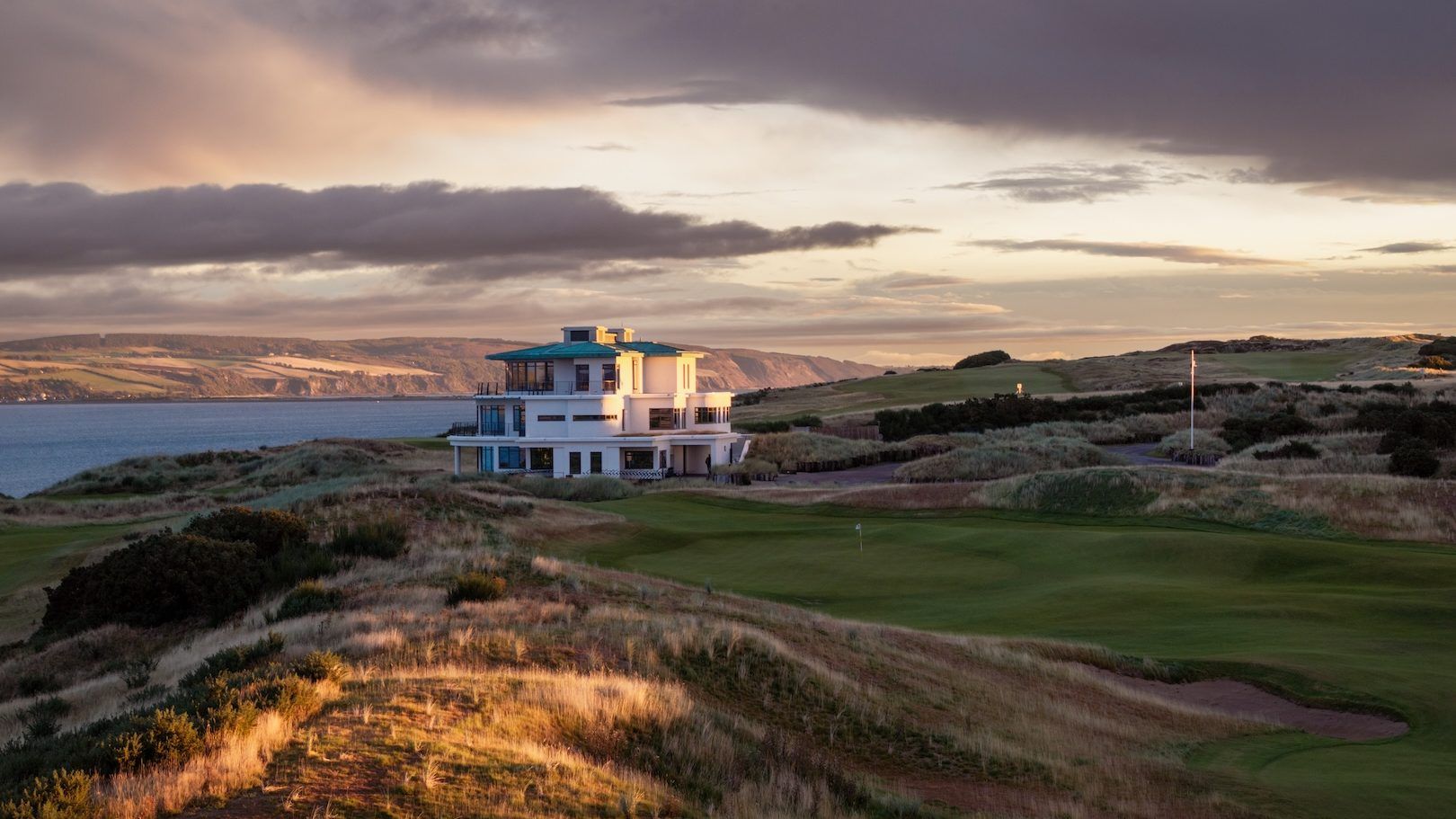
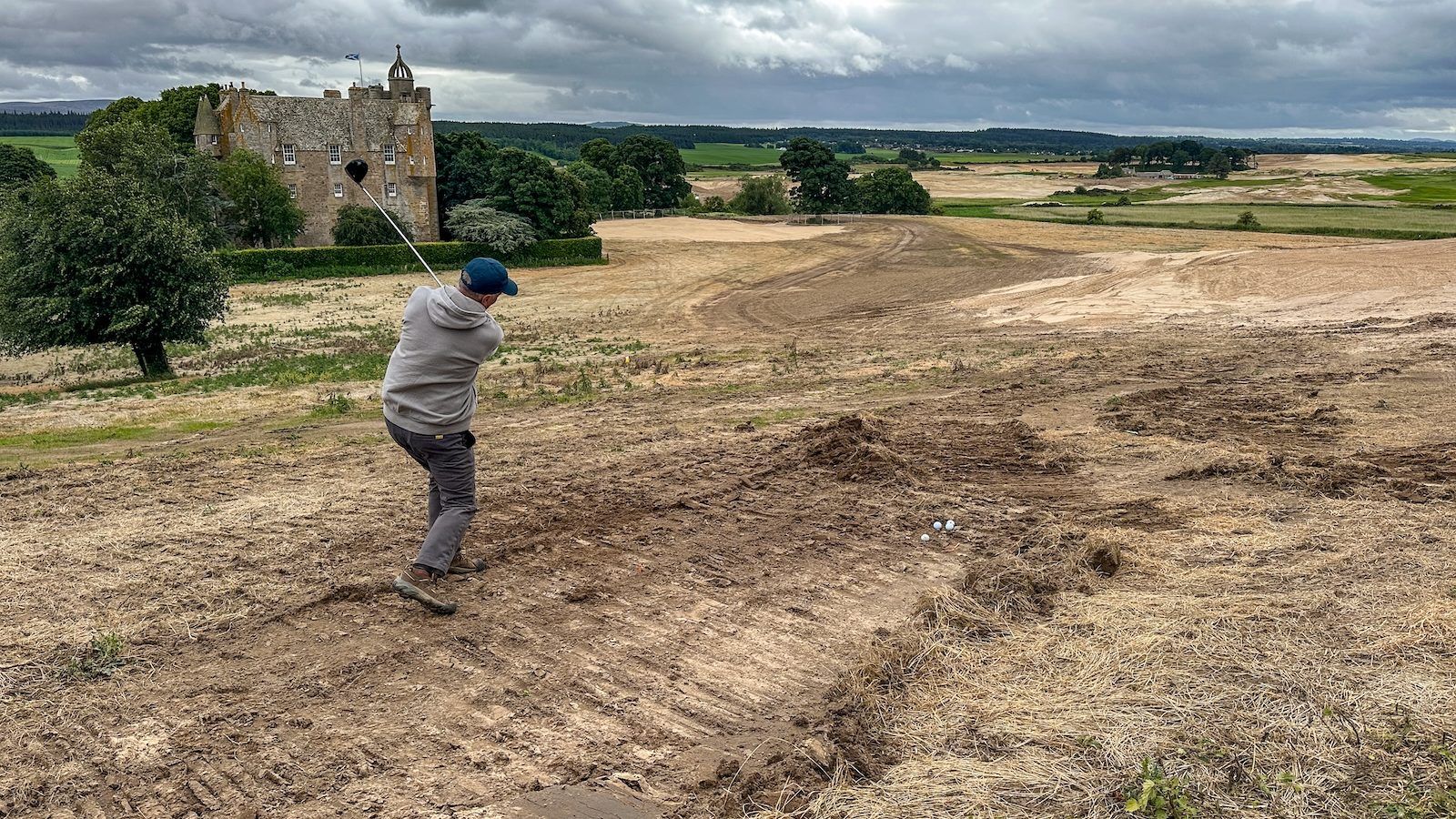
With the global success of Gil Hanse’s Castle Stuart, we were curious how the existence of such a modern masterpiece influenced the design of its new neighbour, Old Petty. Tom explained that finding a different direction was essential to the project.
“Some of the little bulkheaded hazards and sharp edges were things I would have liked to experiment with, but we did not want to look like we were copying what Gil had done, so we had to find a different direction.
Our idea was to try and model it after the earliest links courses, where the playing corridors were not so clearly defined and the hazards were less formalised. We wanted to see if we could build compelling holes just relying on the contours around the green to make the approach shots challenging.
In the end I did not want it to feel like we were cheating the visitor out of the pot bunker experience entirely, so I challenged everyone on the crew to locate one or two bunkers with the caveat that the bunker would be named after them. Clyde Johnson, Chris Haspell, and Angela Moser all contributed their bunkers, as did I. But when we tried to get the owner, Ben, to add one he did not want to do it.”
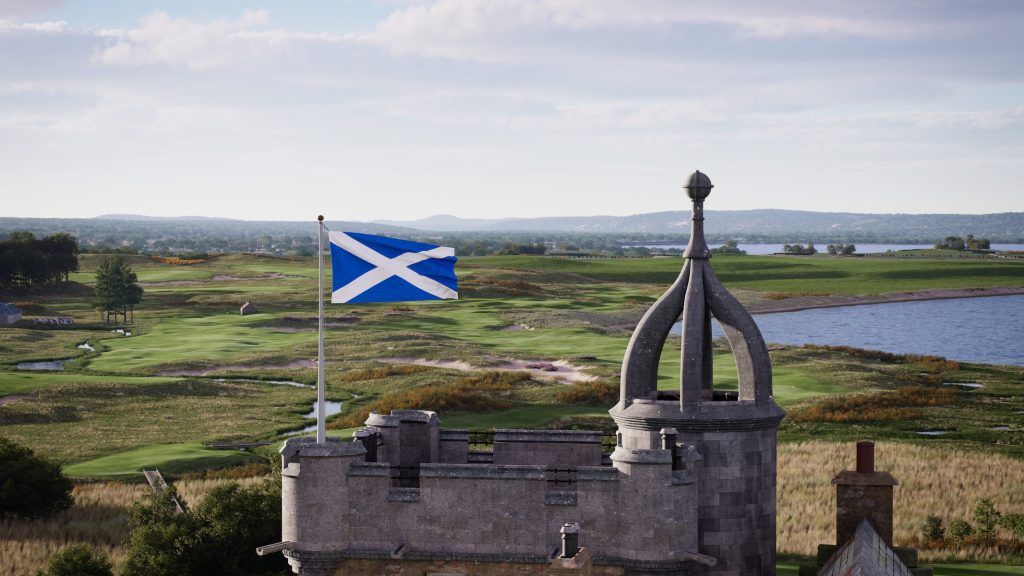
One of the most talked about features of the new course is the decision to cross the 1st and 18th holes. It is a bold move that requires careful management, but Tom explains why it was the right fit for this specific property.
“Those two holes had to be squeezed into a narrowish space that used to be the driving range, with dunes at the margins pushing everyone back to the centre. It is a little like The Old Course or North Berwick, except a bit narrower and without the charm of the town.
I figured if we could cross the holes and keep them short enough, most people will drive past the point where they cross into the full width of the space and play will flow smoothly. It also helps a lot that there will be a starter on the first tee to monitor the situation. I am not so sure I would have done the same thing out at the far end of the course.”
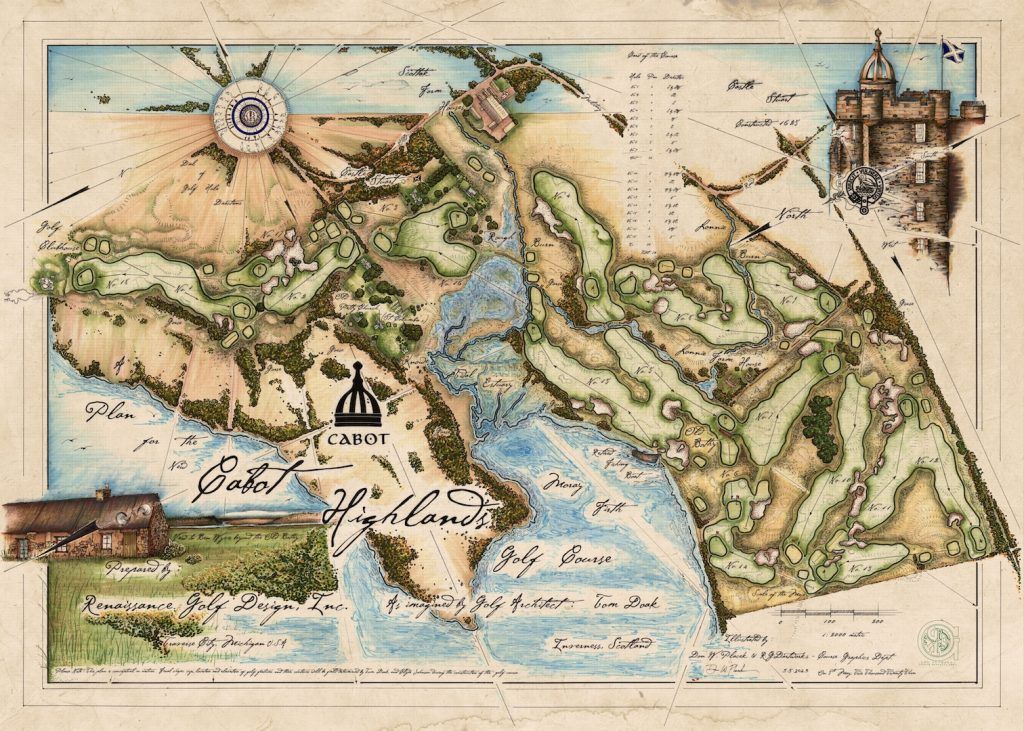
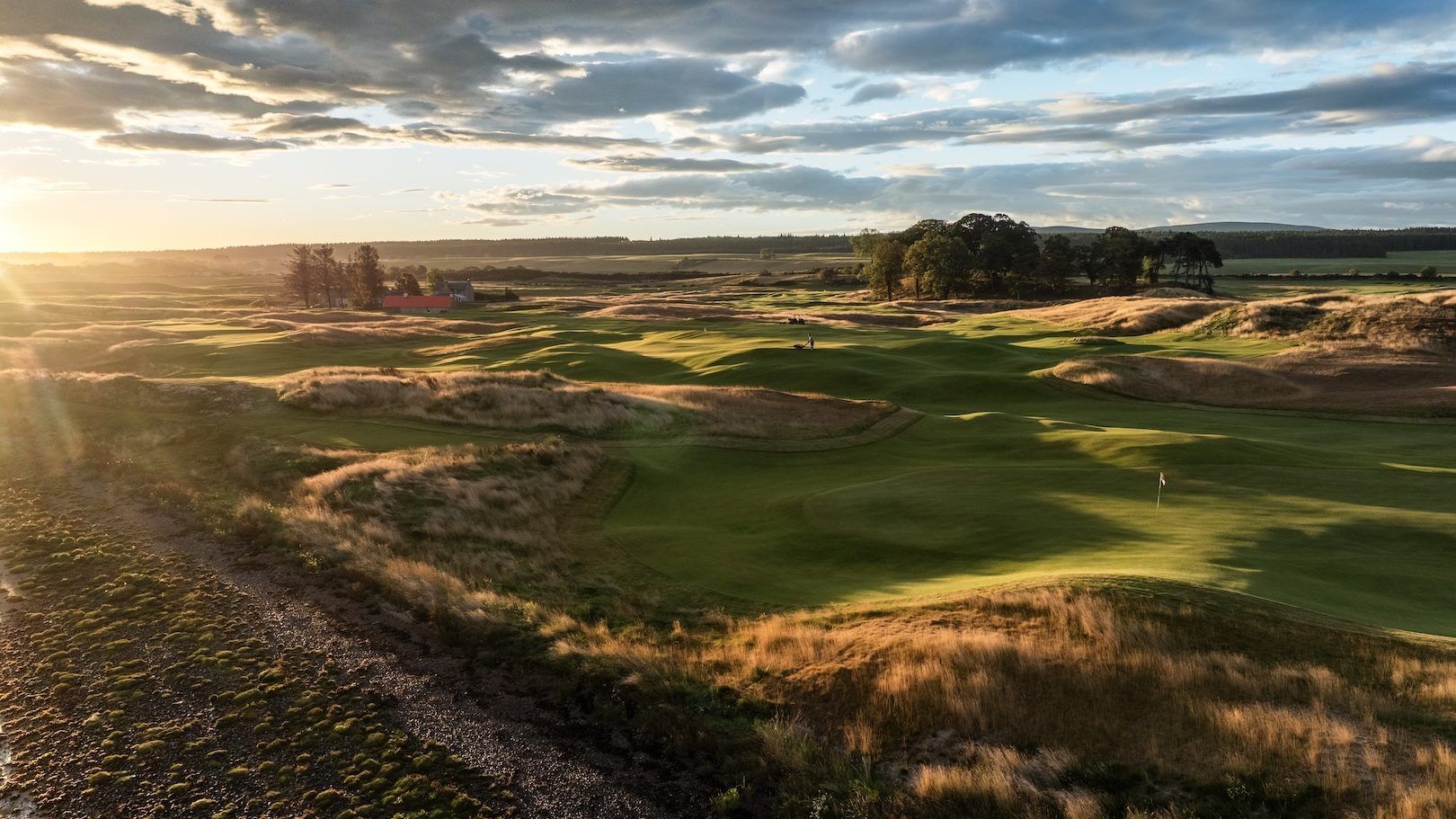
While it is positioned as a links, Old Petty incorporates the inland character of the farmland to create a well rounded experience. When asked if there was a particular part of the course he enjoyed most, Tom pointed to the natural variety of the walk.
“We have several holes in the routing with more of an inland setting and we are very happy with how those fit in with the rest. Some of them required quite a bit of shaping, but we did not go overboard trying to create dunes so we could market it as a links course.
I like the different perspectives of the castle as you wander around the course. The old copse of beech trees on the hill that you play around on the 7th and 10th and the views across to the Black Isle on the 10th and 13th all add character to the course. It just feels like you are out for a good walk on lovely property, following your nose.”
Are you thinking of a trip to the Scottish Highlands in 2027 or beyond? Contact our team by emailing golf@outpostoverseas.com to begin building your bespoke itinerary.